Elephant Bathing
A Sacred Ritual of Care, Connection, and Evolving Animal Welfare in Rajasthan
Captive elephants in Jaipur face the climatic reality of Rajasthan's blistering heat, a harsh environment that transforms the daily necessity of bathing into a profound, vital ritual. Historically celebrated as symbols of royal Rajput authority, these immense creatures require meticulous care to survive in an arid desert far removed from their natural tropical habitats. The elephant bath is not merely a superficial cleaning exercise; it is an extensive, multi-sensory process that radically cools their massive bodies, protects their sensitive skin from the harsh Indian sun, and reinforces the deep emotional bonds shared with their human caretakers. Experiencing this aquatic ritual offers visitors an intimately grounded window into the gentle nature of these pachyderms, contrasting sharply with the opulent pageantry of royal processions travelers typically associate with the Pink City.
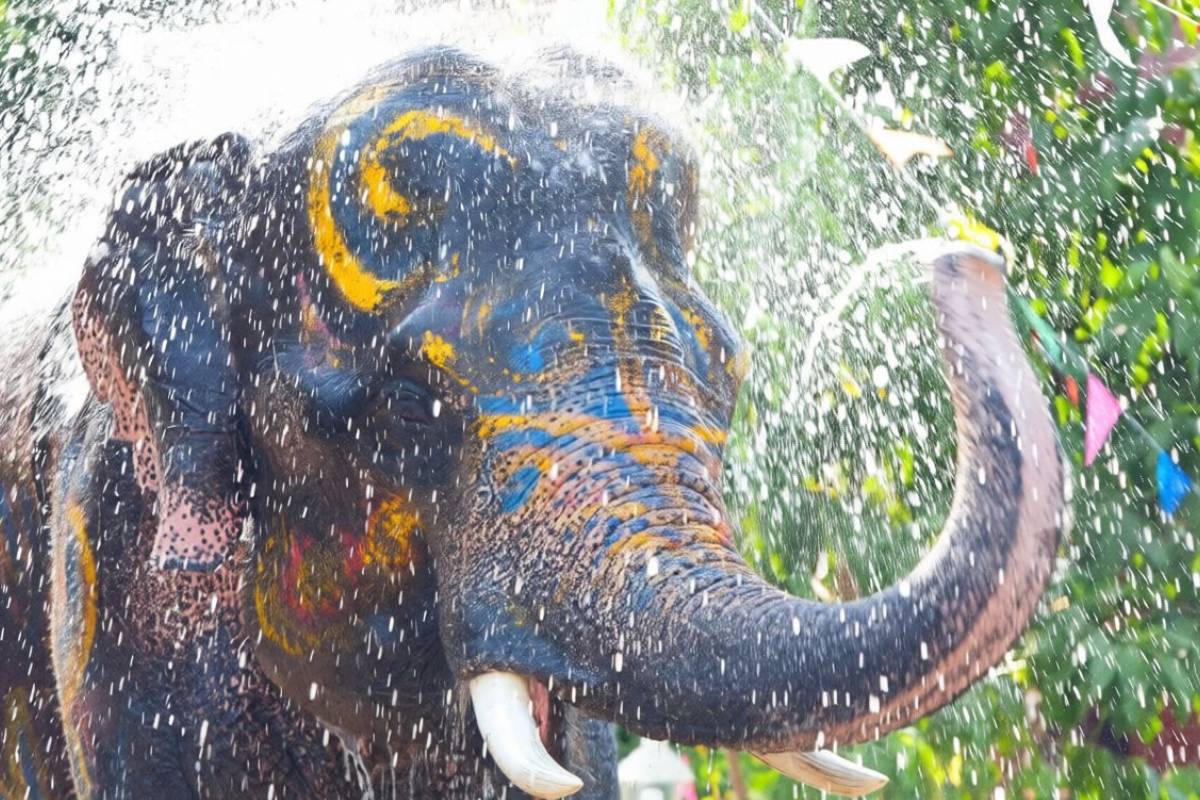
Despite their rugged, seemingly impenetrable appearance, elephants possess sensitive skin that is highly susceptible to severe sunburn, painful insect bites, and extreme heat exhaustion. Because elephants lack sweat glands to regulate core body temperature, they depend heavily on external water sources and the instinctual behavioral adaptation of mud-wallowing to survive scorching Rajasthani afternoons. Entering a bathing pond in Jaipur, the elephant utilizes its versatile trunk as a built-in shower hose, siphoning up gallons of water and violently spraying it over its broad back and heat-radiating ears. Following this water bath, the animals instinctively seek the shallow edges to enthusiastically roll in the thick, wet mud. As this mud bakes in the sun, it dries into a protective, cooling crust acting as a natural sunscreen and physical barrier against parasitic insects, highlighting the remarkable self-awareness of the species.
The most authentic setting to witness and participate in this vital aquatic ritual is Hathi Gaon, widely known as Elephant Village. This dedicated government-supported settlement is nestled quietly at the lush foothills of the Aravalli mountain range just outside Jaipur’s bustling urban center. Created as a residential complex specifically for the city’s working elephants and their caretakers, the sprawling village is thoughtfully designed around a series of large, custom-built, step-well style ponds engineered to accommodate the massive animals. Unlike the crowded courtyards of the Amber Fort where elephants are seen primarily as modes of transportation, Hathi Gaon provides a significantly slower, naturalistic environment focused entirely on the animals' daily husbandry. Here, the sheer scale of the landscape allows the elephants to slowly wade into the cool waters after a long morning of work, seeking immediate relief.
This daily bathing process is an intense, collaborative effort relying heavily upon the profound, lifelong relationship between the elephant and its mahout. While the elephant visibly enjoys the cooling water, the mahout wades directly into the pond alongside the massive creature, equipped with traditional scrubbing tools fashioned from coarse coconut husks or smooth river stones. Following gentle verbal commands and subtle physical cues, the elephant obediently lies flat on its side, partially submerged in the pond, willingly exposing its flanks. The mahout then spends an extensive amount of time vigorously scrubbing the thick, wrinkled hide to effectively remove dead skin cells, caked-on dirt, and harmful parasites the elephant simply cannot reach itself. This close-quarters interaction requires an unbreakable foundation of mutual trust and respect. The physical touch and soothing vocal reassurances exchanged continuously during the bath are absolutely crucial.
In recent years, the traditional elephant bath has successfully evolved from a private husbandry chore into one of Jaipur's most popular ethical tourism experiences. As global travelers become increasingly conscious of animal welfare, a large number actively choose to bypass traditional, strenuous elephant rides up steep fortresses in favor of hands-on, ground-level interactions. In sanctuaries like Hathi Gaon, visitors are openly invited to step directly into the shallow waters, take up a piece of fibrous coconut husk, and physically assist the mahouts in scrubbing the gentle giants. This tactile, immersive experience allows tourists to feel the rough, bristly texture of the elephant’s skin, look directly into their expressive eyes, and witness their undeniably aquatic nature entirely up close. Watching an animal joyfully splash in the mud creates a far more profound, lasting emotional connection than sitting passively in a heavy carriage.
While these interactive bathing experiences represent a significant, positive step away from the physical strain of riding, the practice still exists within a highly complex ethical landscape. Prominent global animal rights organizations maintain that captive elephants, regardless of how well they are treated during a bath, are still wild animals that should not be subjected to the relentless demands of the tourism industry. Some progressive advocates champion a complete shift toward strict observation models, where tourists respectfully watch the animals bathe and socialize from a distance without direct human interference. Nevertheless, in a city where the historic livelihoods of hundreds of traditional mahout families remain inextricably tied to these incredible animals, guided bathing programs currently offer a critical, financially viable middle ground. By pivoting the commercial focus away from strenuous labor and toward intensive caretaking, Jaipur actively attempts to reconcile heritage with modern animal welfare.