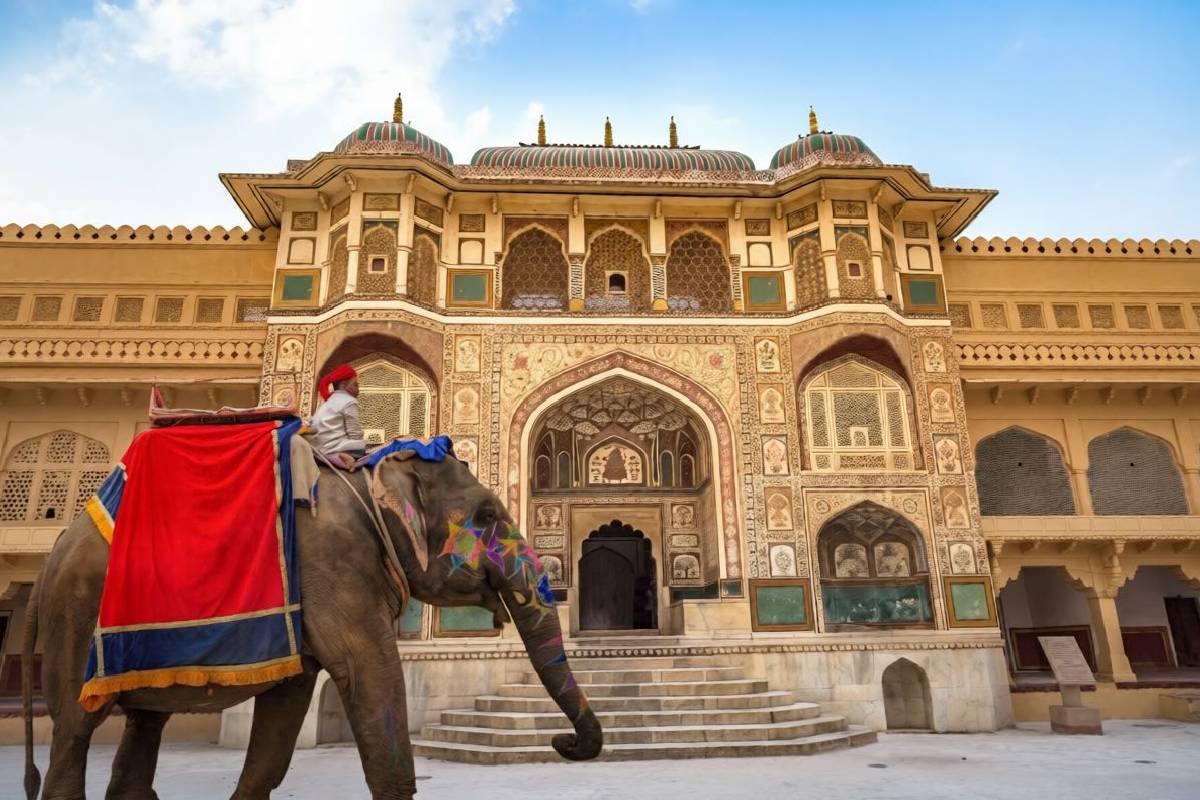
Elephant Ride
A Glimpse into Royal Rajput History
For centuries, the Indian elephant has been inextricably woven into the vibrant historical and cultural tapestry of Rajasthan, standing as the ultimate symbol of royal authority, wealth, and divine grace. During the illustrious era of the Rajput maharajas, these pachyderms were far more than mere transportation; they were the heavy tanks of the battlefield and the spectacular centerpieces of royal pageantry. Kings traversed their expansive kingdoms and made awe-inspiring grand entrances into their imposing hilltop fortresses on the backs of beautifully adorned elephants. The royal mounts were draped in heavily embroidered velvets, their wide faces painted with intricate floral designs, and their massive tusks ringed with solid gold. Today, embarking on an elephant ride in the historic city of Jaipur serves as a living bridge to this opulent past. It offers modern visitors a profoundly evocative chance to experience the sweeping grandeur of Rajputana. As the slow, rhythmic sway of the elephant carries riders through towering archways, one can easily visualize the triumphant, trumpet-blaring processions that once defined the golden age of India’s most colorful desert state.
The most famous and sought-after elephant riding experience in Jaipur takes place at the historic Amber Fort, a stunning complex of pale yellow and rose-pink sandstone perched dramatically on a rugged hill just outside the main city limits. Long before the intense midday sun bakes the Rajasthan landscape, a colorful procession of decorated elephants begins carrying eager tourists up the steep, winding cobblestone path to the fort’s expansive main courtyard. The journey begins near the tranquil waters of Maota Lake, which beautifully reflects the imposing fortress walls in the early morning light. As the elephant steadily navigates the switchbacks, riders are treated to sweeping panoramic views of the surrounding Aravalli hills and the meticulously manicured saffron gardens resting in the center of the lake. The culmination of this majestic ascent is the passage through the magnificent Suraj Pol, or Sun Gate, a towering portal originally designed precisely for the grand entrance of elephant-mounted royalty. Passing under this magnificent archway and stepping into the Jaleb Chowk courtyard offers a genuine, transportive moment, allowing travelers to enter the palace grounds exactly as the maharajas did centuries ago.
The logistics of this iconic ascent have evolved significantly to prioritize the animals' well-being over sheer tourist demand. Because the local government strictly regulates the industry to prevent exhaustion, the rides operate exclusively in the crisp early morning hours, usually concluding firmly before the desert heat reaches its peak. Each elephant is strictly limited to making only a set number of trips per day, requiring travelers to arrive at the fort well before dawn to secure their place. Before the rides begin, the elephants undergo a detailed morning preparation routine. Their lifelong caretakers, known as mahouts, meticulously paint their trunks and foreheads with organic, chalk-based colors, securing the heavy wooden seating structures, called howdahs, atop thick protective blankets. The entire operation is a heavily monitored symphony of heritage and commerce, overseen by local tourism boards and animal welfare inspectors who ensure that weight limits are strictly enforced, with only two passengers permitted per animal to minimize the physical strain on the elephant's spine.
For travelers seeking to experience these majestic, highly intelligent creatures away from the dense, bustling crowds and the physically demanding inclines of Amber Fort, Hathi Gaon, widely known as Elephant Village, offers a distinctly different, slower-paced alternative. Situated quietly at the lush foothills of the Aravalli mountain range, this government-supported settlement was established to provide a dedicated, natural living space for the working elephants of Jaipur and the families of their mahouts. At Hathi Gaon, visitors are encouraged to engage in a much more immersive, educational, and relaxed encounter. Rather than a purely transactional, brief ride up to a historical monument, tourists can spend several hours in the village learning intimately about the elephants' daily routines, complex social structures, and dietary needs. Many ethical tourism programs operating within the village completely eschew the heavy wooden howdahs, offering instead gentle bareback riding within the soft, natural landscape of the sanctuary. These visits are frequently combined with other deeply memorable interactive activities, such as hand-feeding the elephants fresh sugarcane and wading into the village pond to help bathe the massive animals.
Despite its enduring global popularity and deep cultural roots, the ongoing tradition of elephant riding in Jaipur has faced increasing scrutiny from international animal welfare organizations and mindful travelers alike. Concerns regarding the long-term physical strain of carrying heavy wooden seats up steep, unyielding cobblestone inclines, alongside critical questions regarding traditional training methods, have sparked a significant ethical debate within the Indian tourism industry. In direct response to these valid criticisms, state authorities have proactively implemented stricter regulations over the past decade, including the mandatory microchipping of all working elephants, routine government-mandated veterinary health checks, and strict retirement ages for older animals. Furthermore, there is a rapidly growing movement among modern, eco-conscious travelers to shift away from riding altogether, actively favoring observation-based or no-contact sanctuary experiences instead. This continually evolving landscape perfectly reflects a much broader global push toward responsible, sustainable travel, challenging the historic city of Jaipur to carefully balance the preservation of its uniquely rich cultural heritage with the modern world's rigid standards of animal care, empathy, and ethical wildlife interaction.