Diwali
Diwali, also known as Deepavali, is one of India’s most widely celebrated festivals and a remarkable time to experience the country’s cultural and spiritual traditions. Often called the Festival of Lights, Diwali represents hope, renewal, prosperity, and the symbolic victory of light over darkness. Homes, temples, streets, markets, and public spaces are decorated with glowing oil lamps, colorful rangoli patterns, flowers, and festive lights, creating an atmosphere that feels both joyful and deeply meaningful. In 2026, the main Diwali celebration falls on 8 November, although the wider festive period extends across several days with different rituals and customs.
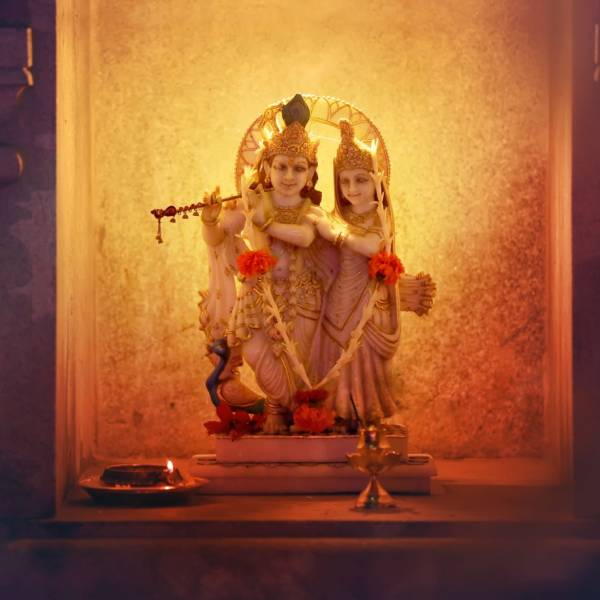
The meaning of Diwali varies across India, reflecting the country’s diverse religious and regional traditions. In many parts of northern India, the festival is associated with the return of Lord Rama to Ayodhya after his victory over Ravana, symbolizing the triumph of righteousness over evil. Other communities connect Diwali with Goddess Lakshmi, the deity associated with prosperity and good fortune. Jain communities observe the occasion in connection with Lord Mahavira, while Sikh traditions around the same period are associated with Bandi Chhor Divas. These different interpretations give Diwali remarkable cultural depth while maintaining shared themes of light, renewal, gratitude, and hope.
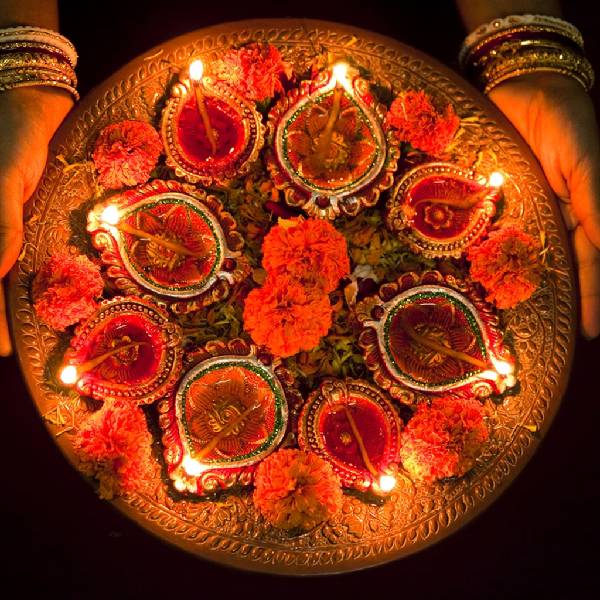
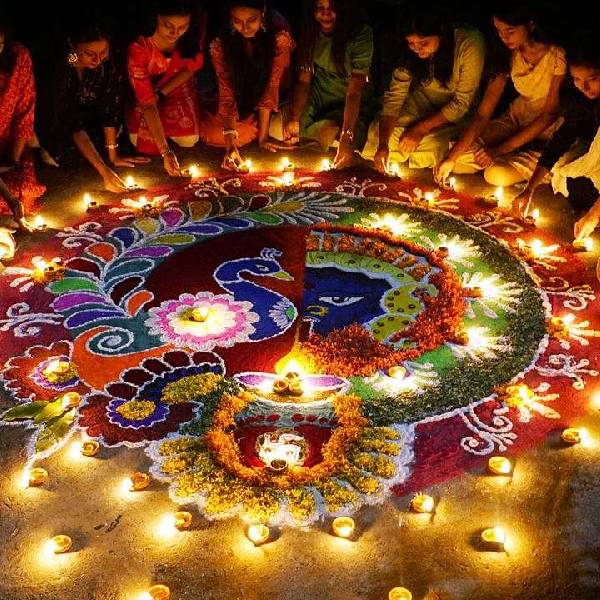
Preparations begin well before the main festival day. Families clean and organize their homes, purchase new clothes, decorate entrances, prepare sweets, and select gifts for relatives and friends. Many houses are brightened with strings of lights, while traditional diyas, small oil lamps usually made from clay, are placed around doorways, balconies, courtyards, and prayer spaces. Colorful rangoli designs created from powders, flower petals, rice, or other materials often decorate entrances to welcome guests and symbolize positivity.
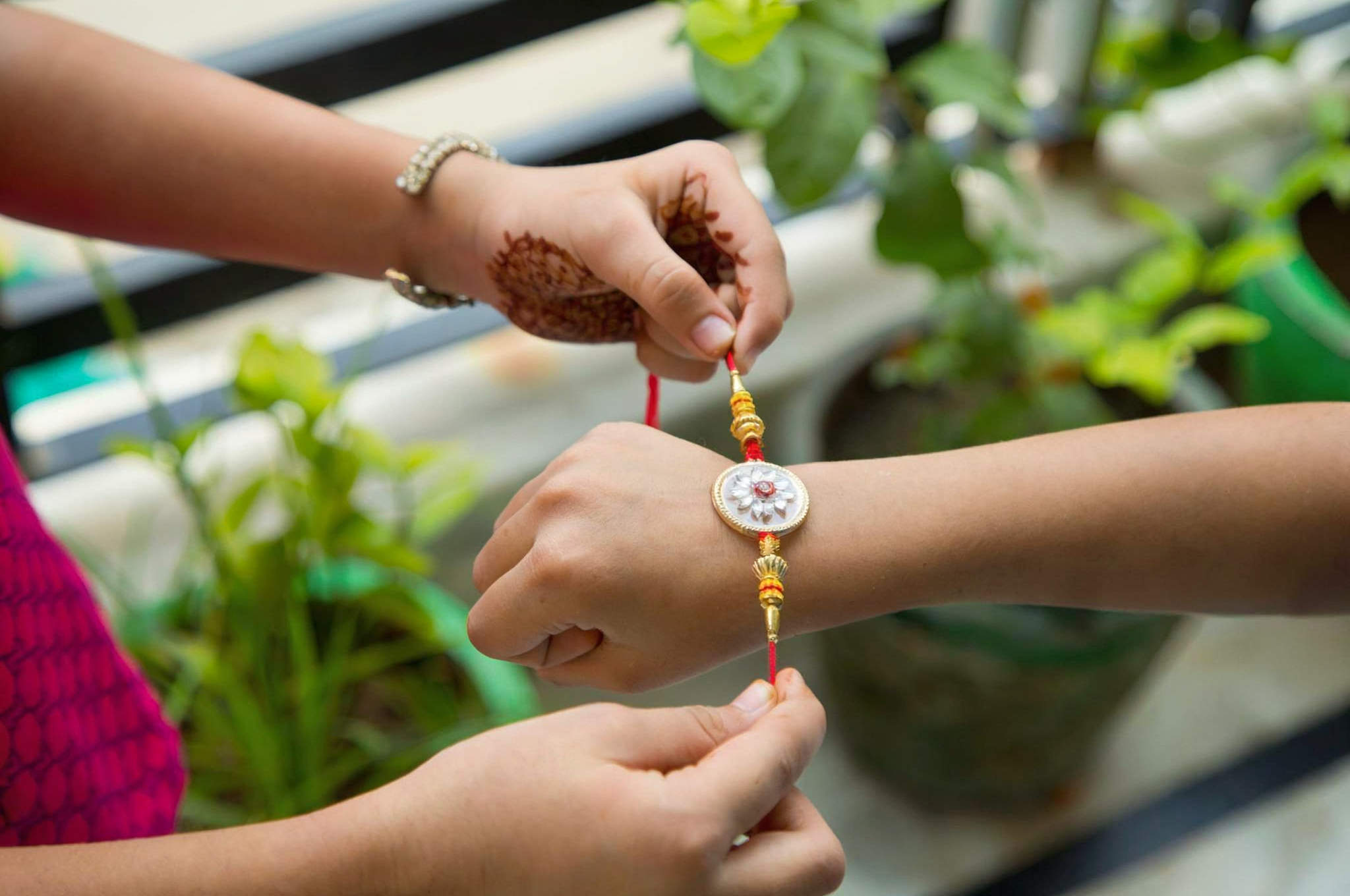
The Diwali period traditionally includes several connected celebrations. Dhanteras marks an auspicious beginning and is associated with new purchases, prosperity, and well-being. It is followed by observances such as Naraka Chaturdashi or Choti Diwali in many regions. The main Diwali evening is commonly centered on Lakshmi Puja, when families gather for prayers and light lamps throughout the home. Govardhan Puja follows in many communities, while Bhai Dooj celebrates the bond between brothers and sisters and concludes the traditional festive sequence in many parts of India.
Food plays an important role throughout the celebrations. Families prepare and share a wide variety of sweets and savory snacks, with recipes changing from one region to another. Traditional treats may include ladoos, barfi, jalebi, kaju katli, gulab jamun, and many regional specialties. Guests are welcomed with food and refreshments, while boxes of sweets are commonly exchanged between relatives, neighbors, friends, and colleagues. Sharing food reinforces the festival’s strong emphasis on hospitality and togetherness.
Markets become especially lively before Diwali. Streets are filled with shoppers purchasing decorative lamps, flowers, sweets, clothing, jewelry, gifts, and household items. Cities such as Delhi, Jaipur, Mumbai, Varanasi, Kolkata, and Ahmedabad develop their own distinctive festive atmosphere. Historic bazaars can be particularly memorable, with decorated storefronts, colorful displays, and crowds preparing for celebrations. Travelers visiting India during this time can experience everyday commercial areas transformed into vibrant festival spaces.
Evening is when Diwali becomes most visually striking. Rows of lamps illuminate houses and temples, while decorative lighting changes the appearance of entire neighborhoods. Families gather for prayers, meals, and celebrations, and many people visit relatives or exchange gifts. Fireworks have traditionally formed part of Diwali celebrations in many places, although growing environmental and air-quality concerns have led some cities and communities to introduce restrictions or encourage quieter and cleaner alternatives.
For travelers, Diwali offers an opportunity to experience Indian culture beyond monuments and conventional sightseeing. Visiting a temple, walking through decorated neighborhoods, exploring festive markets, observing rangoli designs, tasting seasonal sweets, or joining a family celebration when invited can create memorable cultural experiences. Because many businesses, attractions, and transportation services may operate on altered schedules during the holiday period, travelers should plan important journeys and reservations in advance.
Respectful behavior remains important, especially when observing private rituals or visiting religious sites. Modest clothing is recommended at temples, and shoes should be removed wherever local custom requires it. Travelers should ask permission before photographing individuals during prayer and avoid interrupting household ceremonies. Busy markets and festival gatherings can also attract large crowds, so personal belongings should be kept secure and extra travel time should be allowed.
Diwali is ultimately more than a night of lights. It is a celebration of family, faith, generosity, renewal, and the hope that a brighter period lies ahead. From the quiet lighting of a small diya at home to the glow of entire neighborhoods, every tradition contributes to the festival’s distinctive atmosphere. Experiencing Diwali in India allows travelers to witness living traditions at their most vibrant and offers a memorable glimpse into the values, relationships, and cultural diversity that make the Festival of Lights one of the country’s most meaningful celebrations.
.jpg)