Eid-ul-fitr
Eid ul-Fitr in India is a joyful religious occasion that marks the completion of Ramadan, the Islamic month devoted to fasting, prayer, reflection, and self-discipline. Celebrated by Muslim communities across the country, Eid brings families, friends, and neighborhoods together through special prayers, festive meals, charitable giving, and warm social gatherings. From the historic lanes of Delhi and Lucknow to Hyderabad, Mumbai, Kolkata, Srinagar, Bengaluru, and smaller towns across India, the festival creates an atmosphere of gratitude, hospitality, and renewed connection after a month of spiritual devotion.
The date of Eid ul-Fitr is determined according to the Islamic lunar calendar and the sighting of the new crescent moon that begins the month of Shawwal. Because moon sightings can vary between locations, the exact day is confirmed close to the festival. In 2026, most of India celebrated Eid ul-Fitr on 21 March after the Shawwal crescent was not sighted on the expected evening. The festival therefore followed the completion of 30 days of Ramadan in most parts of the country.
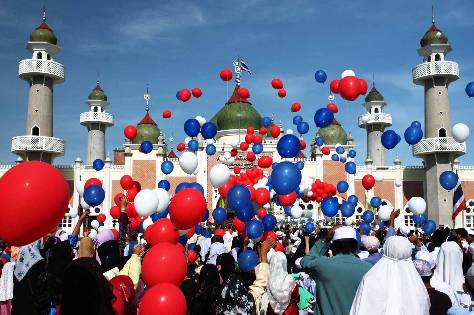
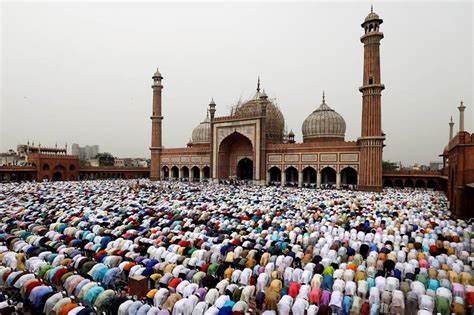
The celebration begins early in the morning. People bathe, dress in fresh or festive clothing, and prepare to attend the special congregational Eid prayer. Mosques and large prayer grounds known as Eidgahs welcome worshippers who gather together for prayer and a sermon. The sight of large congregations dressed for the occasion is one of the most recognizable features of Eid morning. After prayers, people exchange greetings, meet relatives and friends, and begin a day centered on family, hospitality, and sharing.
Generosity has an important place in Eid ul-Fitr. Before the festival prayer, eligible Muslims traditionally give Zakat al-Fitr, a form of charity intended to help people in need participate in the celebration with dignity. This practice reflects a wider principle that Eid should not be enjoyed only within individual households. Supporting others, sharing food, and remembering vulnerable members of society are fundamental parts of the occasion. Charity during Eid therefore connects the joy of celebration with responsibility toward the wider community.
Food becomes one of the most enjoyable expressions of the festival once the month-long fasting period ends. Families prepare special dishes according to their regional and household traditions. Sheer khurma, a sweet preparation made with vermicelli, milk, dates, nuts, and aromatic ingredients, is strongly associated with Eid in many parts of India. Seviyan in different styles is also widely prepared and shared with guests.
Regional cuisine gives Eid in India remarkable variety. Hyderabad may be associated with aromatic biryani and rich meat dishes, while Lucknow is known for kebabs and Awadhi flavors. Kolkata, Delhi, Kashmir, Kerala, and other regions bring their own recipes, sweets, breads, and festive specialties to the table. Meals often become long social occasions as relatives visit one another throughout the day and guests are repeatedly welcomed with food, sweets, and drinks.
Children add another layer of excitement to the festival. New clothes, family outings, sweets, toys, and Eidi, usually money or gifts given by elders, make Eid especially memorable for younger family members. Homes may be cleaned and decorated before the festival, while markets become busy in the final days of Ramadan as families shop for clothes, footwear, gifts, perfumes, food, and ingredients for special meals.
For travelers, cities with strong Islamic heritage can provide particularly interesting cultural experiences during the Eid period. In Old Delhi, areas around Jama Masjid and the surrounding historic markets become lively with food, shopping, and festive activity. Hyderabad combines religious traditions with a celebrated culinary culture, while Lucknow offers a distinctive blend of Islamic heritage, architecture, food, and refined local customs. Other Indian cities and towns express Eid through their own regional traditions, showing how the festival is both religiously unified and culturally diverse.
The evening atmosphere before Eid can also be memorable. Following confirmation of the crescent moon, families begin final preparations, shopping streets remain active, and people exchange greetings for the approaching celebration. Markets selling clothing, bangles, perfumes, sweets, dates, and festive foods can stay busy late into the night. For visitors, this period offers an opportunity to experience the excitement that builds before the festival itself.
Travelers should remember that Eid ul-Fitr is primarily a religious and family occasion rather than a public performance. Visitors near mosques and prayer grounds should give worshippers sufficient space and avoid obstructing entrances or prayer areas. Modest clothing is appropriate when visiting religious neighborhoods or mosques, and photography of individuals should be undertaken only with permission. Some businesses, attractions, and services may operate on reduced or altered schedules, so planning transportation and sightseeing in advance is useful.
Eid ul-Fitr also demonstrates how food, faith, family, and generosity can bring communities together. Neighbors exchange sweets, relatives travel to meet one another, charitable initiatives support people in need, and shared meals create opportunities for conversation and connection. The festival carries a strong message of gratitude after Ramadan and encourages compassion, harmony, and goodwill toward others.
Ultimately, Eid ul-Fitr in India is a celebration shaped by devotion, generosity, hospitality, and human connection. From the quiet preparation before morning prayers to the warmth of family meals and the excitement of festive markets, each part of the day reflects the importance of gratitude and togetherness. For travelers interested in India’s living traditions, experiencing the atmosphere surrounding Eid provides a valuable glimpse into the country’s Muslim heritage and the diversity that continues to shape its cultural life.
.jpg)