Makar Sankranti
Makar Sankranti is one of India’s most widely observed seasonal festivals, marking the Sun’s transition into Makara, or Capricorn, in the traditional Hindu calendar. Unlike many Indian festivals whose dates follow lunar calculations, Makar Sankranti is connected with the solar cycle and usually occurs in the middle of January. In 2026, the festival was celebrated on 14 January. The occasion is associated with changing seasons, agricultural prosperity, gratitude, religious devotion, and the beginning of a more auspicious period in many Hindu traditions.
The festival arrives at an important point in India’s agricultural calendar, when farming communities in several regions celebrate completed or ongoing harvests and express gratitude for nature’s abundance. The Sun holds particular importance during Makar Sankranti, and many devotees offer prayers to Surya, seeking blessings for health, prosperity, and a positive year ahead. The festival also represents movement toward brighter and longer days, giving its traditions a strong connection with renewal, hope, and fresh beginnings.
Early morning religious practices are an important part of the occasion in many parts of the country. Devotees may visit temples, offer water to the Sun, perform prayers, or travel to sacred rivers for ritual bathing. Riverbanks and pilgrimage centers can become especially active as families gather for worship and charitable giving. At Makar Sankranti fairs in Madhya Pradesh, for example, devotees traditionally bathe in rivers and make offerings involving sesame, jaggery, seasonal produce, and other items.
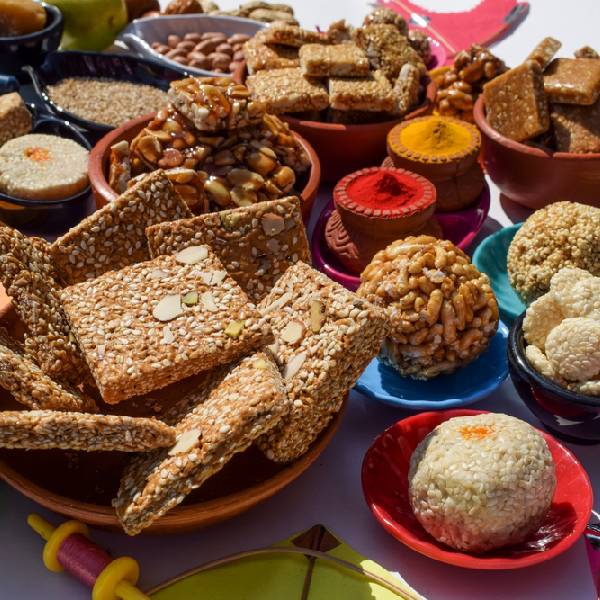
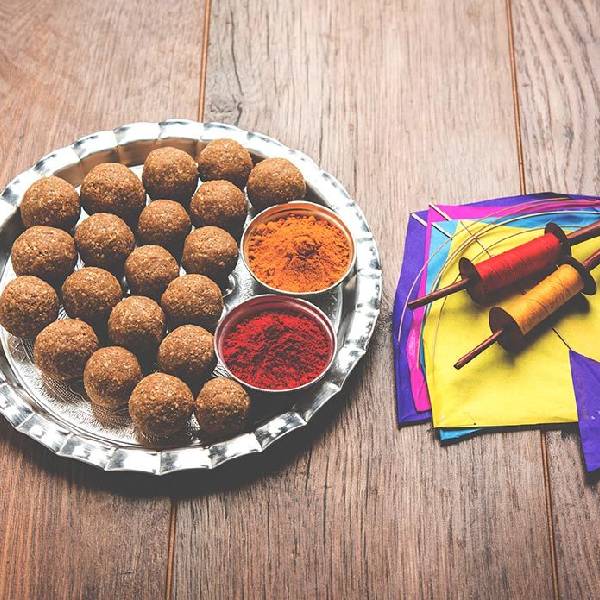
Sesame seeds and jaggery are closely associated with the festival and appear in many traditional foods prepared for the occasion. Families may make til laddoos, chikki, sesame sweets, or other regional dishes to share with relatives, neighbors, and guests. Beyond their seasonal use, these foods have become connected with hospitality and goodwill. Exchanging sweets provides a simple way of strengthening relationships and beginning the new season on a positive note.
One of the most fascinating aspects of Makar Sankranti is how differently it is expressed across India. The same seasonal period is connected with distinct regional festivals, foods, ceremonies, and public celebrations. In Gujarat, the occasion is strongly associated with Uttarayan and large-scale kite flying. Rooftops become gathering places as families and friends send brightly colored kites into the winter sky. Organized kite events also attract participants and visitors, turning the festival period into a spectacular visual celebration.
In Tamil Nadu, the harvest season is celebrated through Pongal, a multi-day festival centered on gratitude for the harvest, the Sun, cattle, and agricultural life. Homes are decorated, special dishes are prepared, and families gather to celebrate abundance and rural traditions. In Assam, the seasonal celebration is connected with Magh Bihu, where food, community gatherings, and agricultural culture play an important role. These regional identities show how a common seasonal transition can take on very different cultural forms across the country.
Northern India also has its own distinctive customs. In places such as Uttar Pradesh and other parts of the Gangetic plains, ritual bathing, charity, prayer, and simple seasonal foods are strongly associated with the day. Pilgrimage destinations can attract large numbers of worshippers seeking a sacred bath during the auspicious period. Giving food, clothing, sesame, grains, or other useful items to people in need is also considered meaningful by many devotees.
Kite flying has become one of the most visually recognizable experiences associated with Makar Sankranti. Entire neighborhoods can spend hours on rooftops competing to keep their kites in the air while music, conversation, and festive meals create a lively social atmosphere. For travelers, witnessing this tradition in Gujarat or other kite-loving regions provides a colorful contrast to the quieter temple and river rituals practiced elsewhere.
Food further reflects the diversity of the celebration. Recipes change according to geography and local harvests, ranging from sesame-and-jaggery sweets in western and northern India to rice-based preparations in southern states. Seasonal ingredients are often transformed into dishes that families prepare only around this period, making food an important part of both cultural memory and family tradition.
Makar Sankranti is also a social occasion. Relatives visit one another, communities organize fairs, and local markets become active with sweets, handicrafts, agricultural goods, and festival products. In some areas, folk music and regional performances accompany religious ceremonies, showing how agricultural traditions, worship, food, and community life often overlap during Indian festivals.
For travelers visiting India around Makar Sankranti, the experience depends greatly on the destination. Gujarat offers energetic kite celebrations, while river pilgrimage centers provide a more spiritual atmosphere. Rural and agricultural regions may emphasize harvest customs, traditional meals, and community gatherings. Choosing a location based on personal interests—religion, photography, food, local culture, or public celebration—can make the festival experience more rewarding.
Visitors should remain respectful around temples, riverside rituals, and private family ceremonies. Modest clothing is appropriate at religious locations, and permission should be requested before photographing individuals closely. Kite-flying areas can also become crowded, particularly on rooftops and busy streets, so travelers should follow local safety guidance and remain aware of their surroundings.
At its heart, Makar Sankranti in India celebrates a transition in both nature and community life. It brings together worship of the Sun, gratitude for agricultural abundance, seasonal food, generosity, family relationships, and distinctive regional traditions. Whether experienced beside a sacred river, beneath a sky filled with colorful kites, at a village fair, or around a family meal, Makar Sankranti reveals how India can celebrate one seasonal moment through many different cultural expressions.
.jpg)