Bhai Dooj
Bhai Dooj is one of the most cherished festivals in India that celebrates the beautiful relationship between brothers and sisters. Observed shortly after Diwali, this festival represents love, protection, care, and lifelong support between siblings. It is a day when sisters pray for the happiness, health, and success of their brothers, while brothers promise to protect and support their sisters throughout life. With its emotional rituals, traditional customs, and family gatherings, Bhai Dooj reflects the importance of relationships in Indian culture.
Celebrated on the second day of the bright fortnight of the Hindu month of Kartika, Bhai Dooj marks the end of the five-day Diwali festival celebrations. The festival is known by different names across India, including Bhai Tika in Nepal, Bhau Beej in Maharashtra and Gujarat, Bhai Phota in West Bengal, and Yama Dwitiya in several regions. Although the name and customs may vary, the central meaning remains the same, celebrating the special bond shared between brothers and sisters.
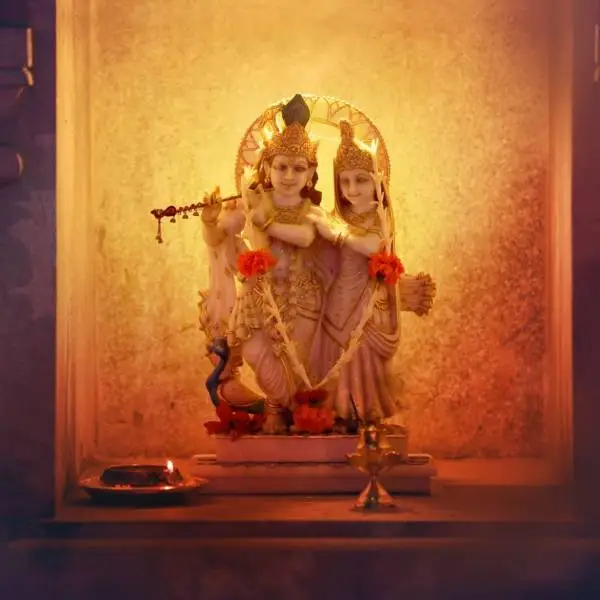
The history of Bhai Dooj is connected with several ancient legends from Indian mythology. One popular belief relates to Lord Krishna and his sister Subhadra. According to the story, after defeating the demon Narakasura, Lord Krishna visited his sister Subhadra. She welcomed him with prayers, sweets, flowers, and a ceremonial tika on his forehead. This loving gesture became a symbol of sibling affection and inspired the tradition of Bhai Dooj celebrations.
Another important legend connects Bhai Dooj with Yamraj, the Hindu god of death, and his sister Yamuna. According to ancient beliefs, Yamuna invited her brother to her home and welcomed him with great love and respect. She performed traditional rituals and prepared a special meal for him. Impressed by her affection, Yamraj blessed the occasion and declared that brothers who receive blessings from their sisters on this day will always be protected. This story highlights the emotional and spiritual importance of the festival.
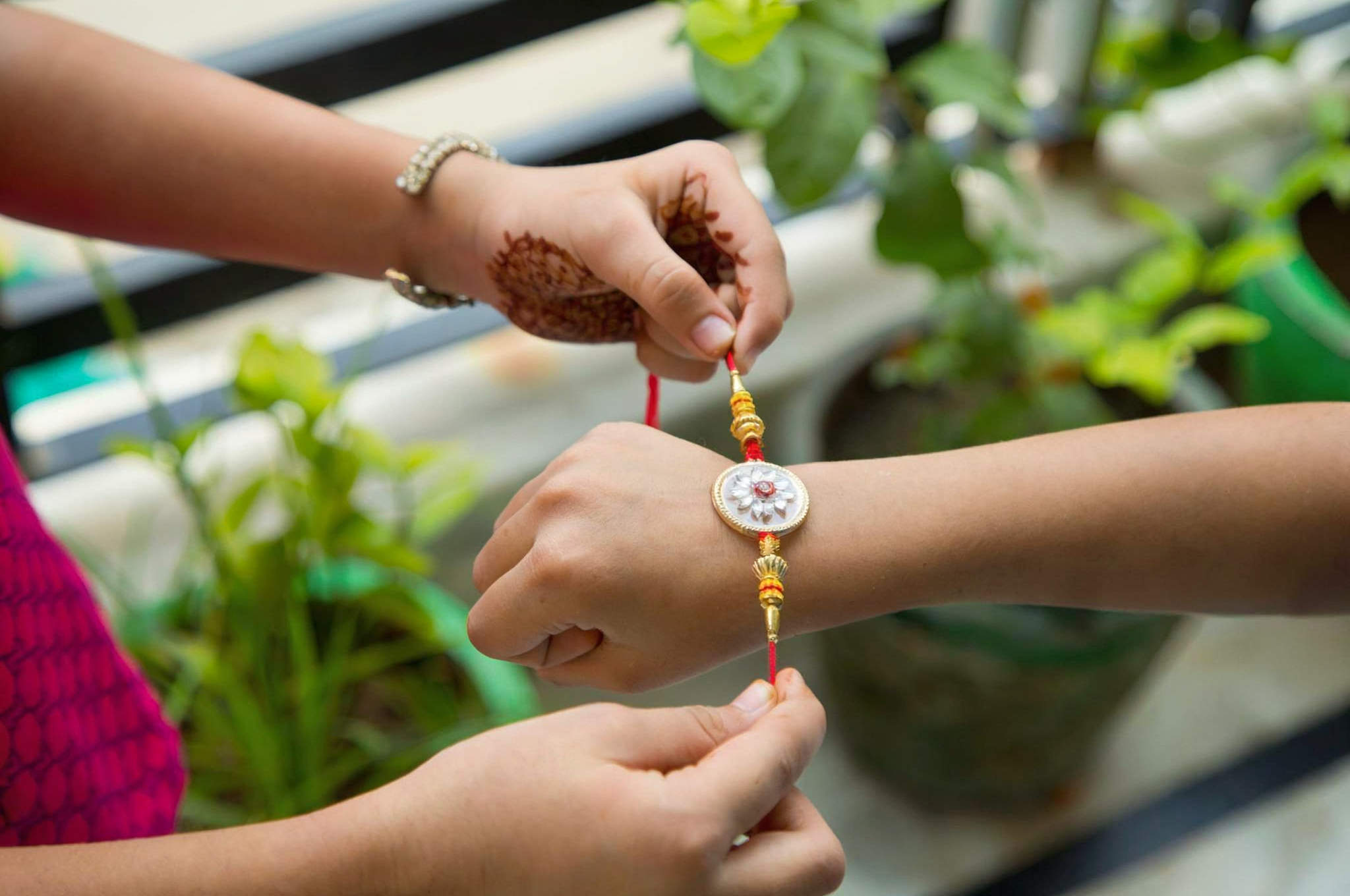
The celebration of Bhai Dooj begins with sisters preparing for the traditional ceremony. Homes are cleaned and decorated, and families arrange special items for the ritual, including flowers, sweets, lamps, and the ceremonial tika. During the main ceremony, sisters apply a tika on their brother’s forehead and perform aarti while praying for his long life, prosperity, and well-being. The tika represents blessings, positivity, and the strong connection between siblings.
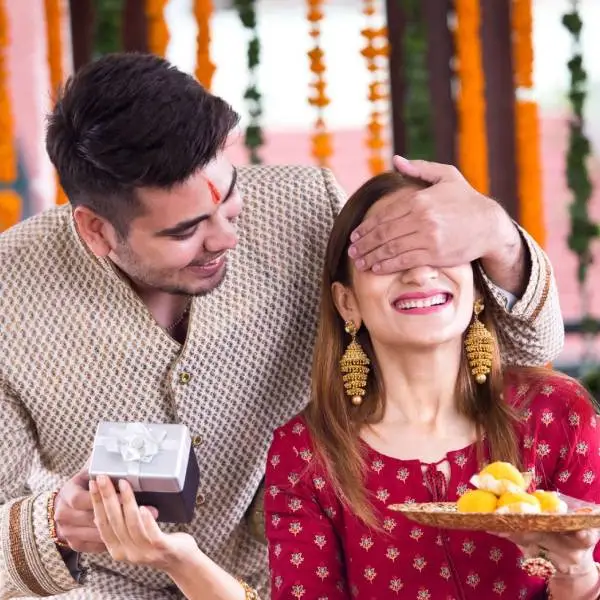
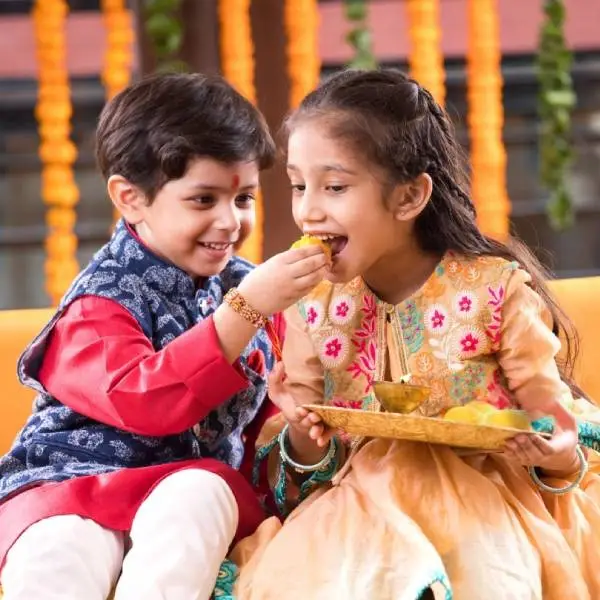
After the ritual, brothers usually give gifts to their sisters as a symbol of appreciation and love. Families come together to enjoy festive meals, exchange sweets, and spend quality time with each other. Traditional dishes and homemade delicacies play an important role in the celebration. Many households prepare sweets such as ladoos, kheer, halwa, and other regional specialties to make the occasion more special.
Bhai Dooj celebrations differ across various parts of India, showcasing the country’s rich cultural diversity. In Maharashtra and Goa, the festival is celebrated as Bhau Beej, where sisters invite their brothers for a special meal and perform traditional rituals. In West Bengal, Bhai Dooj is celebrated as Bhai Phota, where sisters apply sandalwood or other traditional marks on their brothers’ foreheads. In Nepal, the festival is known as Bhai Tika and is celebrated with a seven-colored tika and blessings for a brother’s prosperity and happiness.
Beyond religious customs, Bhai Dooj represents the emotional connection between family members. It reminds people about the importance of love, respect, and support in relationships. In today’s modern world, where many families live in different cities or countries, Bhai Dooj provides an opportunity for siblings to reconnect and celebrate their bond. Even when brothers and sisters cannot meet physically, they continue the tradition through video calls, gifts, and heartfelt messages.
For international travelers visiting India, experiencing Bhai Dooj offers a unique opportunity to understand Indian traditions and family values. During this festival, visitors can witness colorful celebrations, explore local markets filled with festive decorations, taste traditional sweets, and observe the warmth of Indian hospitality. A cultural journey during Bhai Dooj provides deeper insight into how festivals in India are not only religious events but also celebrations of emotions, relationships, and community connections.
Cities such as Delhi, Jaipur, Varanasi, Mumbai, and Kolkata offer wonderful experiences during the festive season. Travelers can explore local streets decorated with lights, visit cultural attractions, and experience the vibrant atmosphere created by Indian families preparing for celebrations. The festival season creates a perfect opportunity to discover India’s traditions while connecting with its rich cultural heritage.
Bhai Dooj is much more than a festival of rituals and gifts. It is a celebration of unconditional love, trust, and the lifelong bond between brothers and sisters. Through prayers, traditions, and family gatherings, the festival continues to preserve the values of care and togetherness. Whether celebrated in a traditional village home or a modern city apartment, Bhai Dooj remains one of India’s most meaningful festivals, bringing families closer and spreading happiness, blessings, and love.
.jpg)