Raksha Bandhan (रक्षाबंधन)
Raksha Bandhan is one of the most heartwarming festivals celebrated in India and by Indian communities around the world. The festival celebrates the special bond between brothers and sisters through love, affection, blessings, and the traditional rakhi. Families come together to perform rituals, exchange gifts, enjoy sweets, and create memories that make the sibling relationship even more special. In 2026, Raksha Bandhan is being celebrated on Friday, August 28.
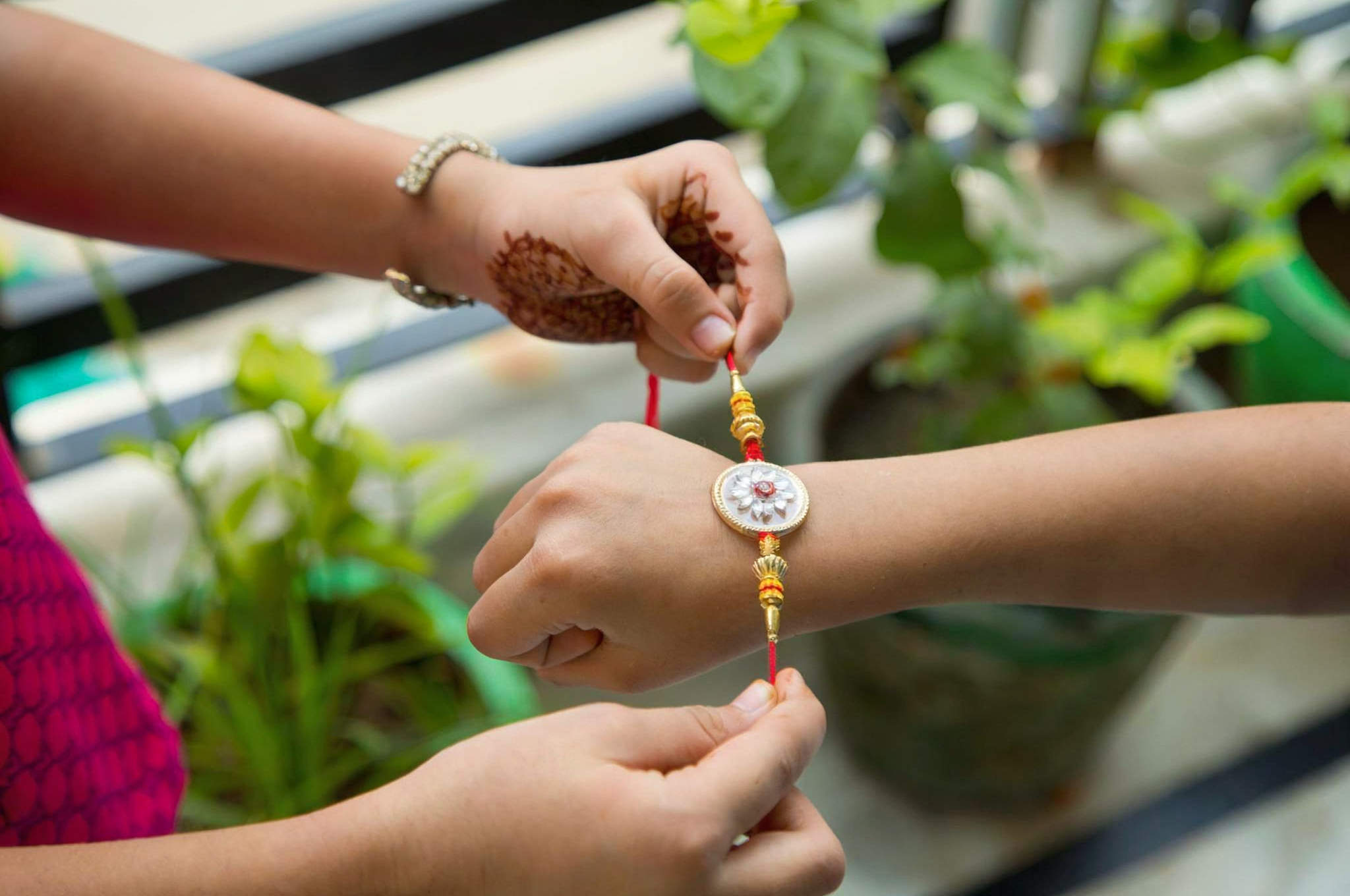
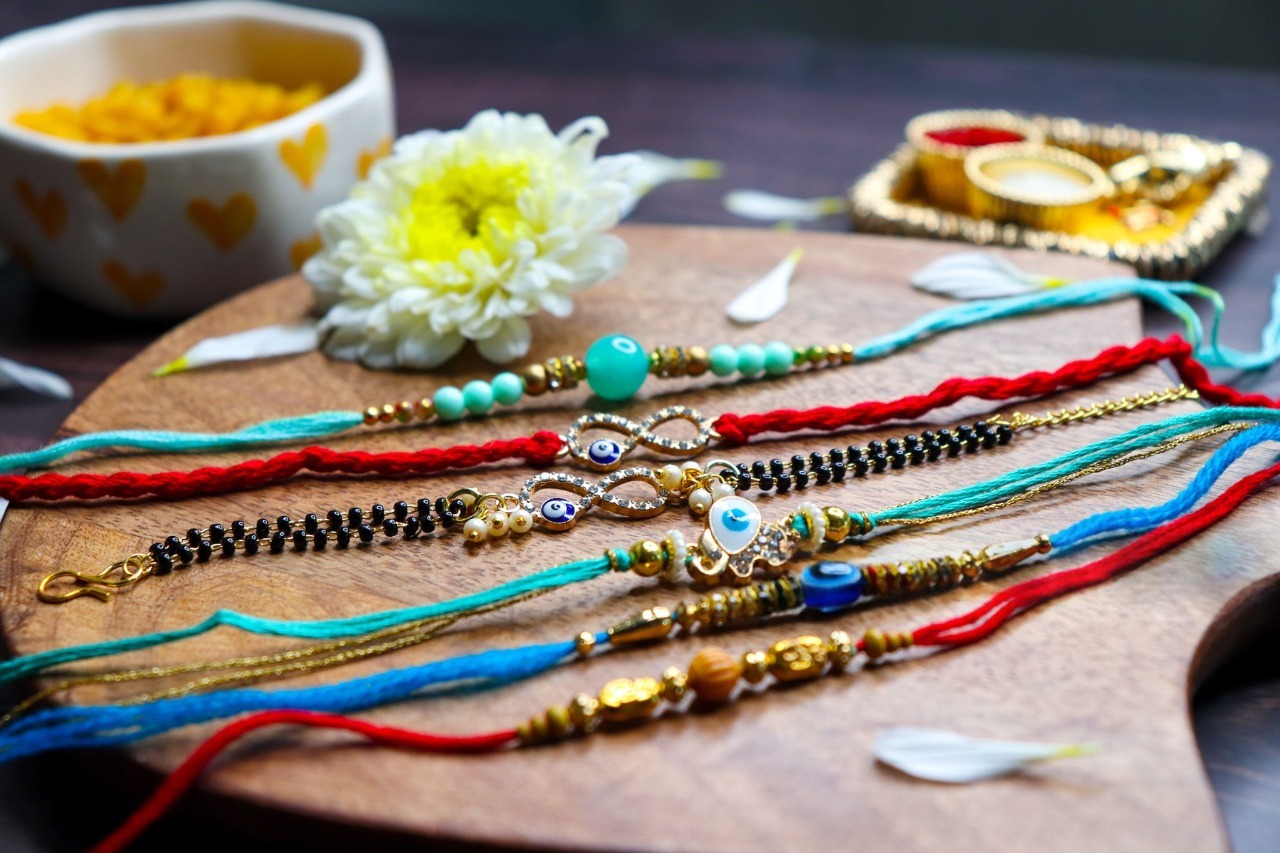
The term Raksha Bandhan is commonly understood as a “bond of protection.” Traditionally, a sister ties a rakhi around her brother’s wrist as a symbol of love, trust, and affection. The brother, in return, promises to support and protect his sister. However, the meaning of the festival has grown over time. Today, Raksha Bandhan is also about mutual care, emotional support, respect, and the lifelong connection shared between siblings.
Raksha Bandhan is celebrated to honor the relationship between brothers and sisters and to remind families about the importance of staying connected. In traditional celebrations, the brother’s promise of protection is an important part of the ceremony, while the sister offers prayers and good wishes for his happiness, health, and success. Modern families often see the festival as a celebration of mutual support, because brothers and sisters frequently stand by one another during important personal and professional moments.
The history of Raksha Bandhan has been connected with several stories from Indian mythology and tradition. One popular story involves Lord Krishna and Draupadi. According to traditional accounts, Draupadi once tied a piece of cloth around Krishna’s injured finger, and Krishna later promised to protect her. Another commonly repeated historical story links the festival with Rani Karnavati and Emperor Humayun, although the historical accuracy of this account has been debated. Over generations, different regions have developed their own traditions and stories surrounding Raksha Bandhan.
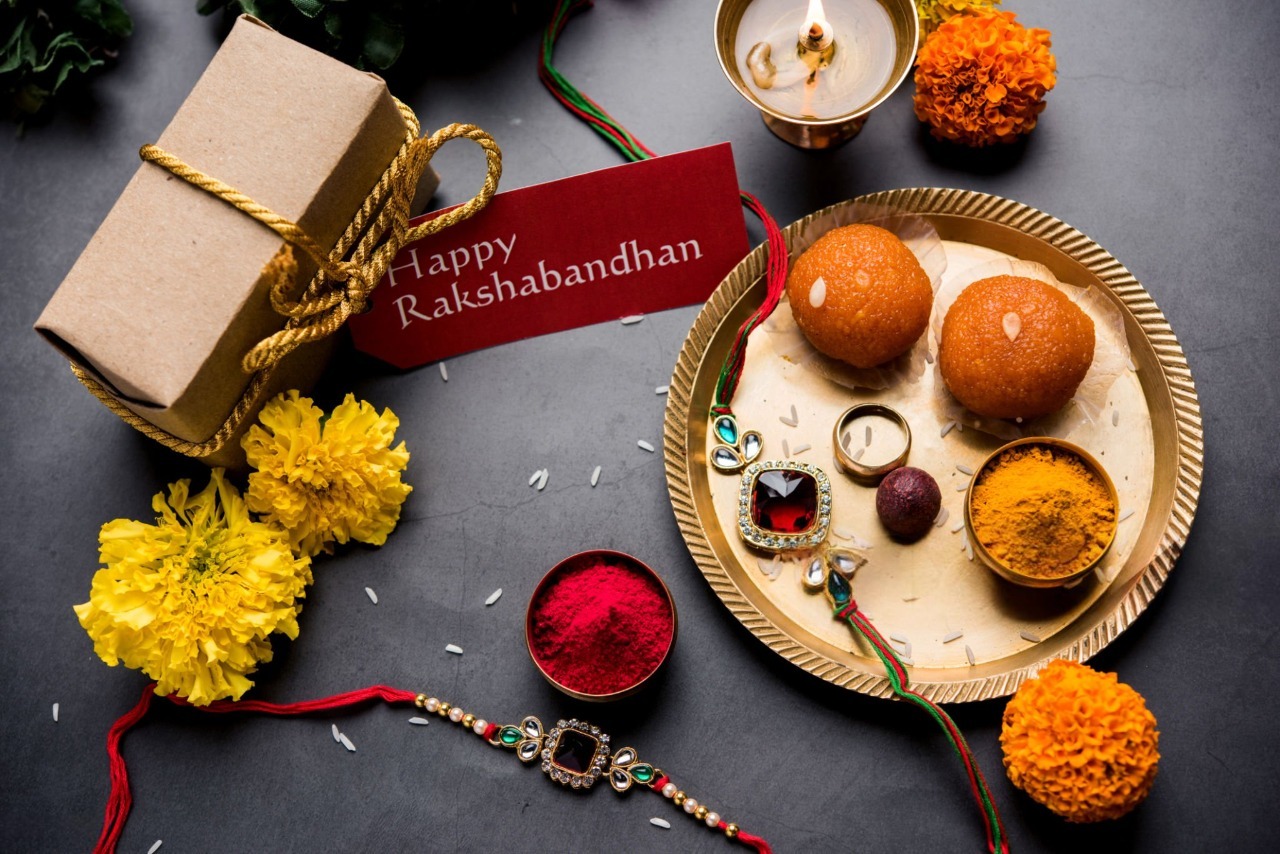
The celebration usually begins with preparing a puja thali containing a rakhi, roli or kumkum, rice grains, sweets, and a diya. The sister applies a tilak to her brother’s forehead, performs a small traditional ritual, and ties the rakhi around his wrist. She then offers sweets and wishes for his well-being. The brother traditionally gives his sister a gift and promises to remain supportive. Families may also organize a festive meal, take photographs, decorate their homes, and spend the day together.
Raksha Bandhan gifts do not have to be expensive to be meaningful. A brother may receive a watch, wallet, book, grooming kit, clothing, gadget, or personalized accessory. Sisters may appreciate jewelry, handbags, skincare products, books, clothing, home décor, or customized keepsakes. Personalized presents often carry special emotional value because they reflect the relationship between the siblings. A framed childhood photograph, handwritten letter, or customized memory book can turn a simple gift into something unforgettable.
For families looking for creative ways to celebrate, Raksha Bandhan can be made more personal with simple activities. Creating a photo wall with childhood pictures, cooking a favorite meal together, organizing a family dinner, or watching old home videos can bring back wonderful memories. Siblings who live far away can still celebrate by sending rakhis and gifts, arranging video calls, and sharing personalized messages. A virtual celebration can be just as meaningful when the intention is genuine.
Families often prepare traditional sweets and festive dishes at home or buy them from local sweet shops. Popular choices can include laddoo, barfi, kheer, peda, gulab jamun, jalebi, and rasgulla, along with savory snacks and a special family meal. Regional customs vary widely across India, so many households include dishes that reflect their local culture and family traditions.
Raksha Bandhan messages and wishes can make the occasion even more emotional. Rather than sending a generic greeting, siblings can share a personal message that mentions childhood memories, funny moments, difficult times they overcame together, or the support they have received from one another. Even a few heartfelt lines can make the celebration more memorable because they express feelings that are sometimes left unsaid during everyday life.
The modern meaning of Raksha Bandhan continues to evolve. Many siblings today live in different cities or countries, have demanding careers, and follow very different lifestyles, but the emotional bond can remain strong. The festival now represents not only protection but also friendship, understanding, respect, encouragement, and unconditional family support. Some families also choose to mark the occasion by helping people in need, donating to a cause, planting trees, or doing something meaningful together.
Ultimately, Raksha Bandhan is much more than the act of tying a colorful thread. It is a celebration of shared childhood memories, family traditions, laughter, arguments, forgiveness, and the promise of staying connected through every stage of life. Whether the festival is celebrated with a large family gathering or a simple ceremony at home, its true value comes from the emotions behind the ritual. On August 28, 2026, Raksha Bandhan offers another opportunity to appreciate the special sibling bond and create memories that remain meaningful long after the celebrations are over.
.jpg)