Janmashtami
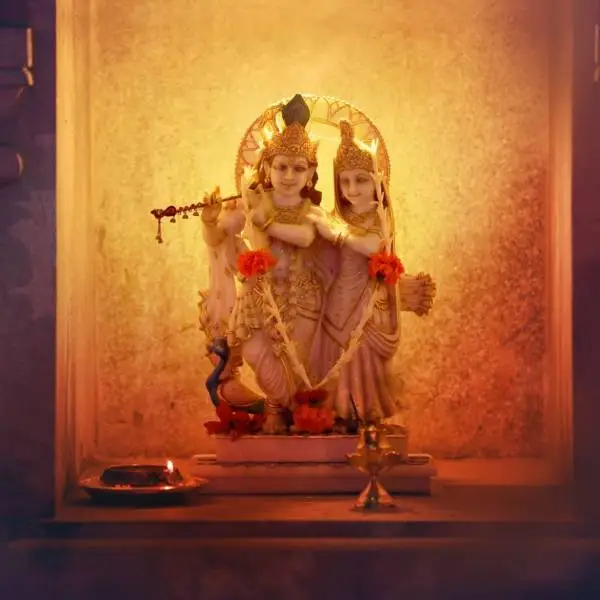
Janmashtami, also known as Krishna Janmashtami, is one of the most important and widely celebrated festivals in India. The festival commemorates the birth of Lord Krishna, the eighth avatar of Lord Vishnu, who is worshipped as a symbol of love, wisdom, compassion, and righteousness. Celebrated with great devotion and enthusiasm, Janmashtami brings together millions of devotees who participate in religious rituals, cultural events, and spiritual activities to honor the divine birth of Lord Krishna.
The festival is observed on the eighth day (Ashtami) of the Krishna Paksha, which is the dark fortnight of the Hindu month of Bhadrapada. According to Hindu beliefs, Lord Krishna was born at midnight in Mathura to Devaki and Vasudeva during a period when evil and injustice were increasing. His birth is considered a symbol of the victory of good over evil and the restoration of peace, truth, and dharma in the world.
The story behind Lord Krishna’s birth is deeply connected with the history of Mathura. King Kansa, the ruler of Mathura, was informed through a divine prophecy that Devaki’s eighth child would become the reason for his destruction. Afraid of losing his power, Kansa imprisoned Devaki and Vasudeva and tried to stop the prophecy from coming true. However, when Lord Krishna was born, divine powers helped Vasudeva safely take the newborn Krishna to Gokul, where he was raised by Nanda Maharaj and Mother Yashoda.
Lord Krishna’s childhood stories are an important part of Indian culture and traditions. His playful nature, love for butter, friendship with the people of Vrindavan, and his divine acts continue to inspire generations. Stories of Krishna stealing butter with his friends, playing the flute, and protecting his devotees represent innocence, happiness, and the importance of love and kindness.
Janmashtami holds great spiritual significance for devotees. The festival is not only a celebration of Lord Krishna’s birth but also a reminder of his teachings and life lessons. Through the Bhagavad Gita, Lord Krishna shared valuable messages about duty, self-confidence, devotion, and maintaining balance during difficult times. His teachings encourage people to follow the path of truth, perform their responsibilities sincerely, and remain positive in every situation.
One of the most important traditions of Janmashtami is the midnight celebration. Devotees believe that Lord Krishna was born at midnight, so special prayers and rituals are performed during this sacred time. Temples and homes are decorated beautifully with flowers, lights, and traditional decorations. Devotees place idols of baby Krishna in decorated cradles and celebrate his arrival with devotional songs and prayers.
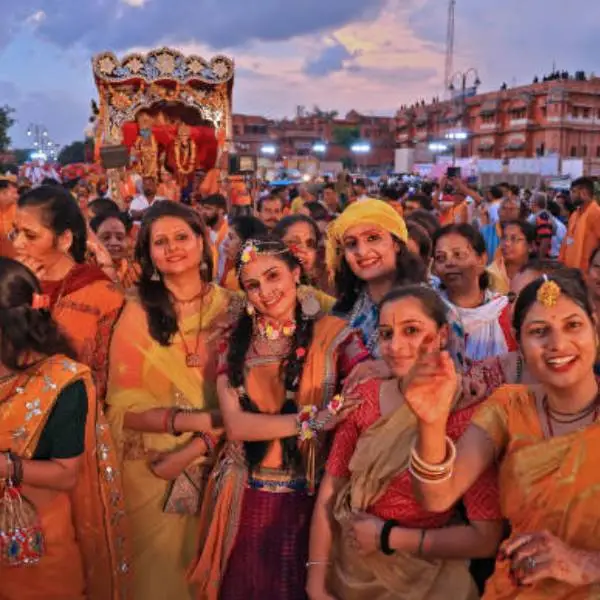
Different regions of India celebrate Janmashtami in unique and colorful ways. In Mathura and Vrindavan, where Lord Krishna spent his childhood, the festival is celebrated on a grand scale. Temples are beautifully decorated, and thousands of devotees gather to participate in prayers, bhajans, and religious ceremonies. The atmosphere during Janmashtami in these places reflects deep devotion and spiritual energy.
In Maharashtra, Janmashtami is famous for the Dahi Handi celebration. During this event, groups of young people called Govindas form human pyramids to break a clay pot filled with curd, butter, and other items. This tradition represents Krishna’s childhood habit of stealing butter and highlights teamwork, unity, and community spirit.
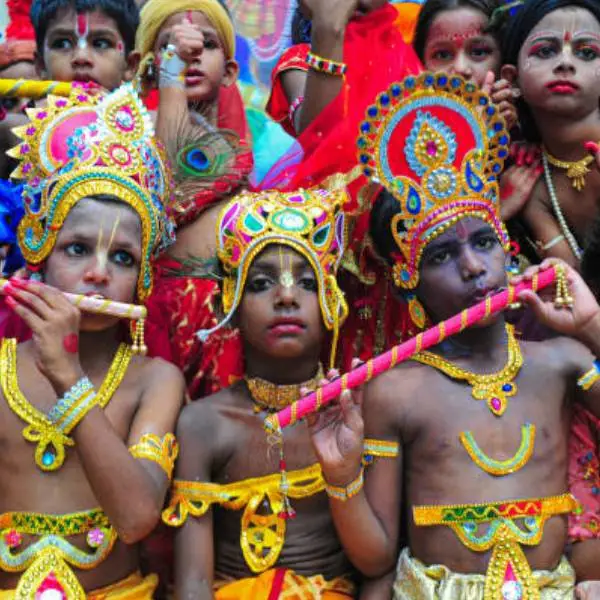
In many other states, including Gujarat, Rajasthan, Odisha, Delhi, and Karnataka, devotees celebrate Janmashtami through temple visits, cultural programs, devotional music, and special food preparations. Many families decorate their homes, create rangoli designs, and dress children as Lord Krishna and Radha to celebrate the festival with happiness and excitement.
Fasting is another important part of Janmashtami celebrations. Many devotees observe a fast throughout the day and break it after midnight prayers. They spend the day chanting Krishna’s name, reading religious texts, and preparing special offerings. Traditional sweets and foods such as makhan mishri, fruits, and various homemade dishes are prepared as offerings for Lord Krishna.
Apart from religious importance, Janmashtami also plays an important role in preserving Indian culture and traditions. The festival connects people with their spiritual roots and encourages families and communities to come together. Cultural performances, devotional songs, and Krishna-themed programs help younger generations understand the values and stories associated with Lord Krishna.
The message of Janmashtami remains meaningful even in modern times. Lord Krishna’s teachings encourage people to face challenges with courage, maintain faith, and follow the right path. The festival reminds everyone that love, kindness, honesty, and compassion are powerful values that can overcome negativity.
Janmashtami is more than just a religious celebration; it is a festival of devotion, happiness, and hope. From grand temple celebrations to simple family prayers, the festival reflects the deep faith and cultural richness of India. Every year, millions of people celebrate the birth of Lord Krishna with enthusiasm, seeking his blessings for peace, prosperity, and happiness in their lives.
.jpg)