Dhanteras
Dhanteras, also known as Dhantrayodashi, opens the festive period leading into Diwali and is observed across India as a day associated with prosperity, well-being, renewal, and auspicious beginnings. The name combines “dhan,” meaning wealth, with “trayodashi,” referring to the thirteenth lunar day. Homes, shops, and workplaces are cleaned and decorated, lamps are lit after sunset, and families prepare for the days of celebration that follow. In 2026, Dhanteras falls on Friday, 6 November, although puja timings vary by city and should be checked according to the local panchang.
The festival has a strong connection with Lord Dhanvantari, who is revered in Hindu tradition as a divine figure associated with Ayurveda and health. Traditional accounts describe Dhanvantari appearing during the churning of the cosmic ocean while carrying a vessel of amrita, the nectar of immortality. Because of this association, Dhanteras is also observed as Dhanvantari Jayanti in many communities. The day therefore carries a broader meaning than material wealth alone, linking prosperity with good health, balance, and a sense of well-being.
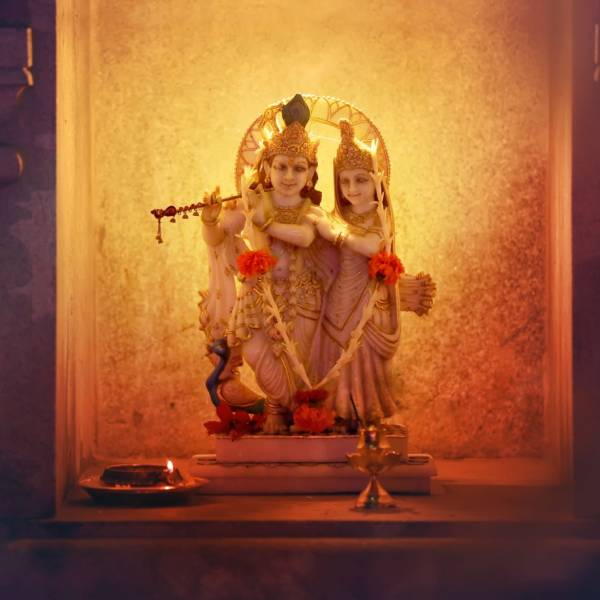
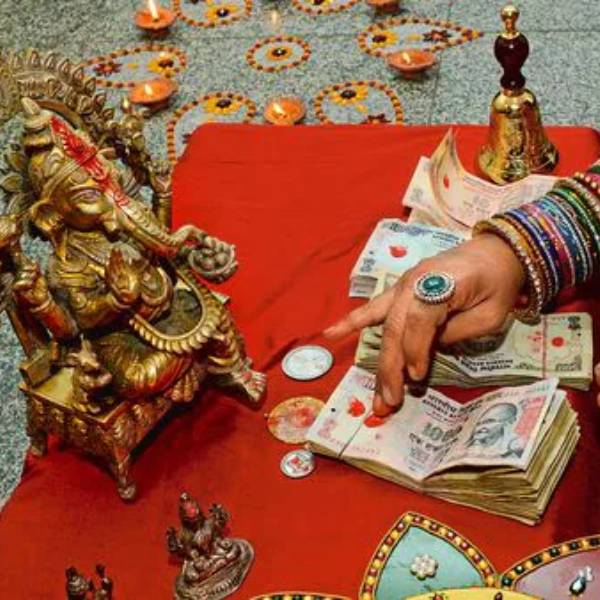
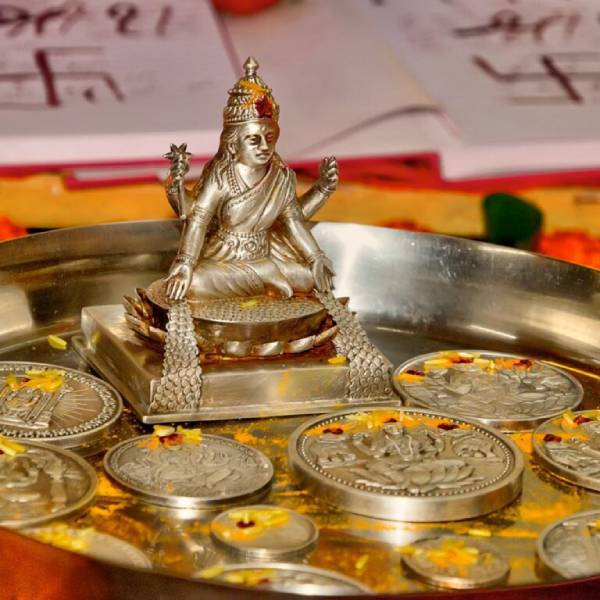
Goddess Lakshmi and Lord Kubera are also widely worshipped during Dhanteras. Families and business communities offer prayers for stability, success, abundance, and responsible prosperity. Entranceways may be decorated with rangoli, flowers, and small oil lamps, while prayer spaces are prepared with offerings, sweets, incense, and traditional symbols. As evening arrives, the glow of diyas creates the warm atmosphere that signals the beginning of the wider Diwali season.
One of the best-known Dhanteras customs is the purchase of something new. Gold and silver remain especially popular, while many families also choose to purchase practical items such as utensils, household goods, appliances, coins, and other useful products. The tradition is rooted in the belief that an auspicious purchase made on Dhanteras welcomes good fortune into the home. For this reason, jewellery shops, markets, and commercial streets can become exceptionally busy. In major cities such as Delhi, Jaipur, Mumbai, Ahmedabad, and Kolkata, decorated storefronts and crowded bazaars add a lively public character to the festival.
Another important custom is Yama Deepam, or the lighting of a lamp associated with Yama. In many households, a diya is placed outside the home during the evening as part of a traditional prayer for the protection and long life of family members. The practice adds another layer to the meaning of Dhanteras, showing that the festival is concerned not only with financial prosperity but also with family welfare, safety, and gratitude.
Preparation for Dhanteras often begins before the festival day itself. Families clean living spaces, organize household items, decorate doors and courtyards, and prepare sweets or festive meals. New purchases may be brought home ceremonially, and some businesses perform special puja at offices, shops, account books, or workspaces. These activities create a sense of freshness and readiness for Diwali while bringing relatives and communities together through shared customs.
Celebrations differ across India, which is part of what makes Dhanteras culturally interesting. Ritual details, food, decorations, prayer practices, and shopping traditions can vary by region and family. In some places, the focus may be strongly connected with Lakshmi and Kubera worship, while elsewhere Dhanvantari Jayanti or local household traditions are more prominent. Despite these differences, the themes of renewal, prosperity, health, and hope remain widely recognizable.
For travelers visiting India during Dhanteras, the festival provides a colorful introduction to the atmosphere of Diwali. Markets become brighter, jewellery and utensil shops stay busy, homes display decorative lamps, and streets take on a festive character. Exploring traditional bazaars can be especially enjoyable, but visitors should expect larger crowds and heavier traffic. Historic market areas in cities such as Delhi and Jaipur can be visually impressive during this period, particularly in the evening when decorations and lights become more noticeable.
Travelers are welcome to observe public celebrations, but religious activities should be approached with respect. When visiting temples or private homes, modest clothing and appropriate behavior are recommended. Photography should be avoided during personal prayer unless permission has been given, and visitors should take care not to interrupt rituals or block entrances. Shopping during Dhanteras can also be an enjoyable cultural experience, although buyers should use reputable sellers for jewellery, precious metals, or high-value purchases.
Dhanteras ultimately represents a thoughtful beginning to the Diwali season. Its traditions bring together devotion, household renewal, family well-being, commerce, generosity, and the hope for a positive year ahead. From the lighting of a single diya outside a home to the energy of crowded festive markets, the day reflects both intimate family customs and large public celebration. For visitors, experiencing Dhanteras offers a meaningful glimpse into how Indian festivals connect faith with everyday life, turning preparation for Diwali into a celebration of health, prosperity, gratitude, and new beginnings.
.jpg)