Ganesh Chaturthi
2026-09-14Ganesh Chaturthi is one of India’s most joyful Hindu festivals, celebrating Lord Ganesha, the elephant-headed deity associated with wisdom, learning, prosperity, and the removal of obstacles. The festival is especially prominent in Maharashtra, although communities across many parts of India observe it with their own customs. Homes, temples, neighbourhoods, and public spaces become filled with decorated Ganesha idols, devotional music, flowers, lamps, prayers, and community gatherings. In 2026, Ganesh Chaturthi falls on 14 September, beginning a festive period that may continue for several days before the final immersion ceremonies.
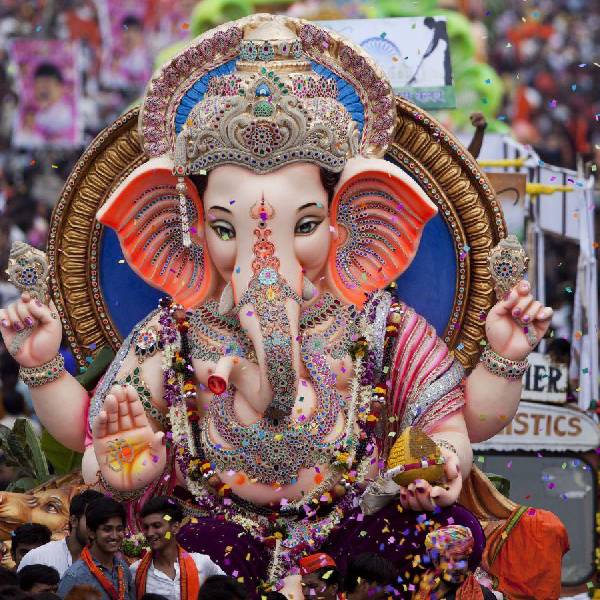
Preparations often begin weeks before the main celebration. Artists create Ganesha figures in many sizes, ranging from small idols intended for family worship to enormous installations displayed in public pandals. Considerable attention is given to the facial expressions, clothing, ornaments, colours, and surrounding decorations. In cities such as Mumbai and Pune, community groups prepare elaborate themed spaces where people can visit the deity, offer prayers, attend aarti ceremonies, and enjoy the festive atmosphere.
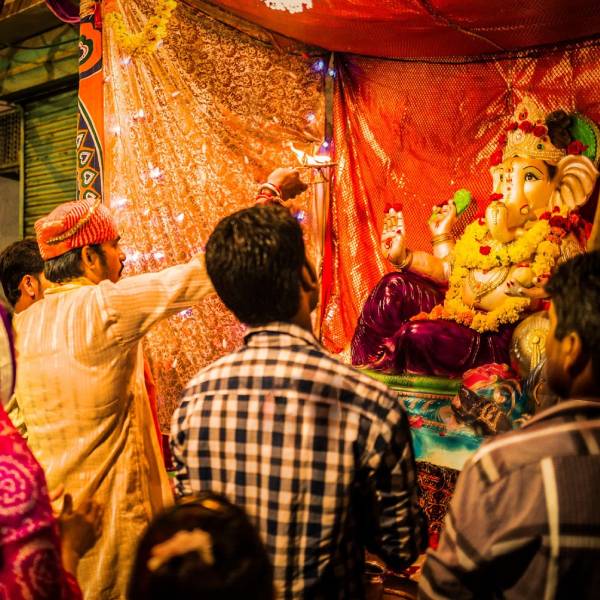
For many families, the celebration begins by welcoming an idol of Ganesha into the home. The figure is placed in a specially prepared area decorated with flowers, leaves, lamps, and traditional designs. Family members gather for prayers, devotional songs, and offerings over the following days. Lord Ganesha is traditionally regarded as Vighnaharta, the remover of obstacles, so devotees often seek blessings for new ventures, education, work, family well-being, and important changes in life.
Food adds another warm and personal dimension to the festival. Modak is particularly associated with Ganesh Chaturthi and is traditionally regarded as a favourite offering to Lord Ganesha. One popular Maharashtrian version, ukadiche modak, uses a rice-flour covering filled with coconut and jaggery. Families may prepare sweets and other regional dishes at home before presenting part of the meal as an offering and later sharing it among relatives and guests. Recipes vary considerably across different states and households.
Public celebrations give Ganesh Chaturthi a completely different energy. Community pandals can become major gathering places where worship is accompanied by music, cultural programs, social activities, and artistic displays. Some organisations also use the occasion to support charitable initiatives or community projects. The public character of the festival became particularly influential in Maharashtra in the late nineteenth century, when Bal Gangadhar Tilak encouraged large community celebrations as a way of strengthening social unity.
Mumbai is perhaps the most famous destination for travelers wishing to experience Ganesh Chaturthi on a grand scale. During the festival period, numerous neighbourhoods install elaborate idols that attract large numbers of devotees. Streets become busy with people visiting different pandals, carrying offerings, joining prayers, and enjoying the celebration. Pune also has a strong Ganesh festival tradition, while festivities can be experienced in Goa, Karnataka, Andhra Pradesh, Gujarat, Madhya Pradesh, and other regions, each adding local customs and flavours to the occasion.
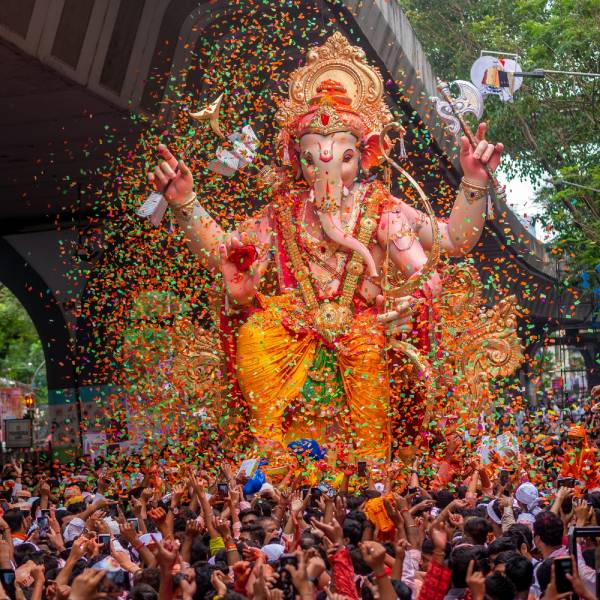
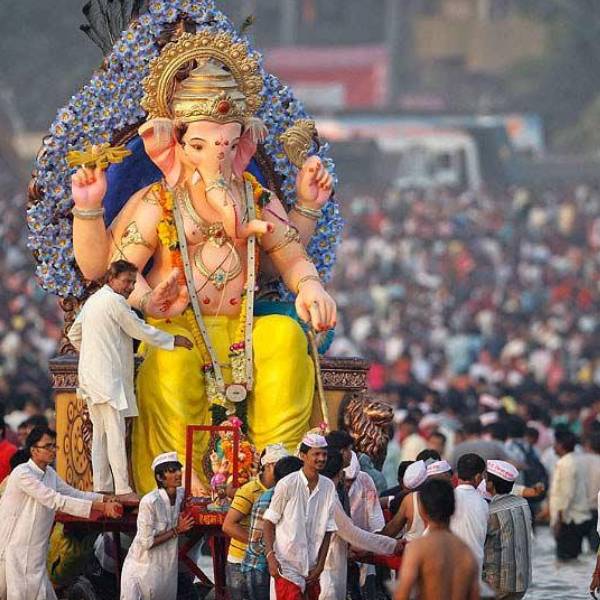
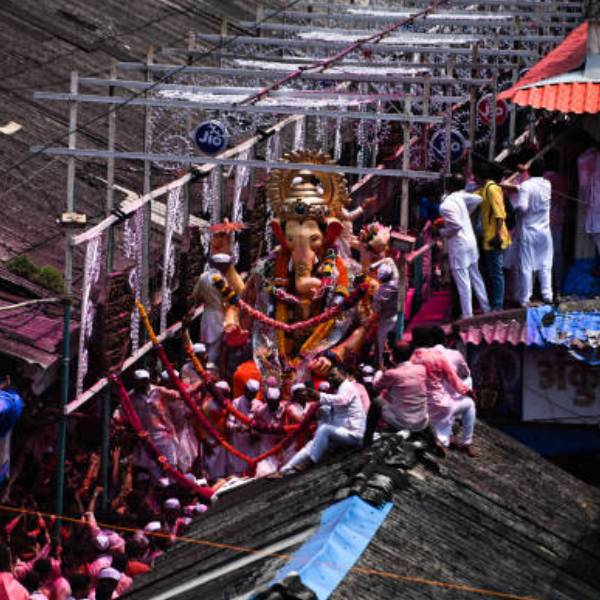
The most emotional stage arrives with Ganesh Visarjan, when the idol is taken from the home or pandal in a farewell procession and carried toward a designated immersion site. Music, drums, dancing, prayers, and enthusiastic crowds accompany many of these processions. The immersion represents a temporary farewell to Ganesha and reflects the cyclical idea of arrival, worship, departure, and return. Larger public celebrations often conclude around Anant Chaturdashi, although households may choose shorter periods before immersing their idols.
Environmental awareness has become increasingly important in modern celebrations. Traditional idols made from natural clay dissolve more easily in water, while artificial materials, chemical paints, and large decorative objects can create environmental concerns. As a result, many communities now encourage clay idols, natural colours, reusable decorations, and designated immersion facilities. These efforts allow families to maintain important traditions while reducing the impact on rivers, lakes, and coastal environments.
For travelers, the festival offers much more than colourful processions. Visiting neighbourhood pandals, watching artists prepare idols, tasting seasonal sweets, hearing devotional music, and observing families participating in rituals can provide valuable insight into living Indian culture. However, large celebration areas can become extremely crowded, particularly in Mumbai during major immersion days. Visitors should plan transportation carefully, wear comfortable footwear, keep valuables secure, and follow instructions from local authorities and festival organisers.
Photography can be rewarding because the festival provides extraordinary scenes of sculpture, decoration, devotion, music, and public celebration. Still, religious practice deserves sensitivity. Travelers should avoid blocking worship areas, interrupting aarti ceremonies, or taking close photographs of individuals without permission.
Ultimately, Ganesh Chaturthi in India brings together devotion, creativity, family traditions, public celebration, food, and community spirit. From the quiet arrival of a small clay Ganesha in a family home to the energy of a large Mumbai immersion procession, every stage carries its own atmosphere. For visitors interested in India’s living festivals, Ganesh Chaturthi offers an unforgettable opportunity to witness how faith, artistic expression, and community life come together in celebration.
.jpg)