Govardhan Puja
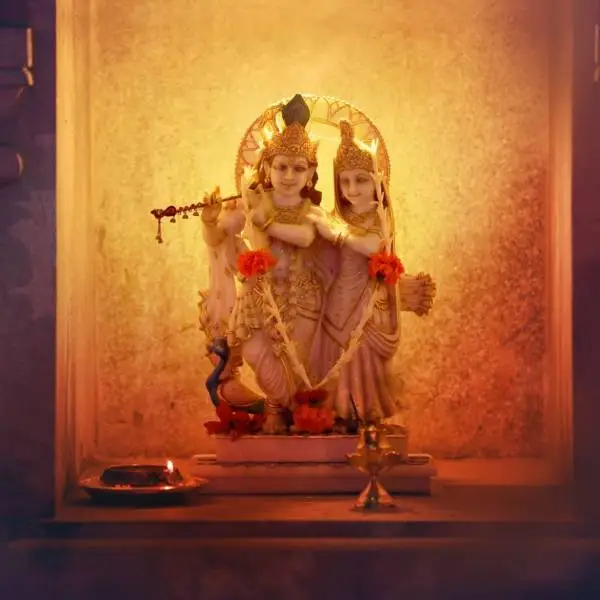
Govardhan Puja is one of the most important Hindu festivals celebrated in India, especially among devotees of Lord Krishna. The festival is observed on the day after Diwali and represents devotion, gratitude, and respect for nature. On this special occasion, devotees worship Govardhan Hill and remember the divine story of Lord Krishna, who protected the people of Vrindavan from heavy rains and storms by lifting the entire Govardhan Mountain on his little finger.
The festival is also known as Annakut, which means a “mountain of food.” It represents the offering of a large variety of delicious vegetarian dishes to Lord Krishna as a symbol of devotion and thankfulness. Devotees prepare different types of sweets, fruits, vegetables, grains, and traditional dishes and arrange them beautifully before offering them to the deity.
Govardhan Puja is celebrated on the first day of the bright fortnight of the Hindu month of Kartik. It is an important part of the Diwali festival celebrations and holds great religious and cultural significance. The festival is celebrated with great enthusiasm in many states of India, including Uttar Pradesh, Rajasthan, Gujarat, Maharashtra, Haryana, and Madhya Pradesh.
The main significance of Govardhan Puja lies in its message of faith, humility, and respect for nature. The festival teaches people to appreciate the natural resources that support life, including food, water, land, and animals. Through this celebration, devotees express gratitude toward nature and recognize the importance of maintaining harmony between humans and the environment.
According to Hindu beliefs, Govardhan Puja celebrates the victory of devotion and righteousness over pride and arrogance. The festival reminds people that true faith and kindness can provide strength during difficult situations. For devotees of Lord Krishna, this day is a reminder of his compassion and his role as a protector of his followers.
The story behind Govardhan Puja is connected with the childhood of Lord Krishna in Vrindavan. According to Hindu mythology, the people of Vrindavan used to worship Lord Indra, the god of rain, to receive good rainfall and protect their crops. Lord Krishna explained that instead of worshipping Indra, people should honor Govardhan Hill because it provided them with food, water, shelter, and resources necessary for their survival.
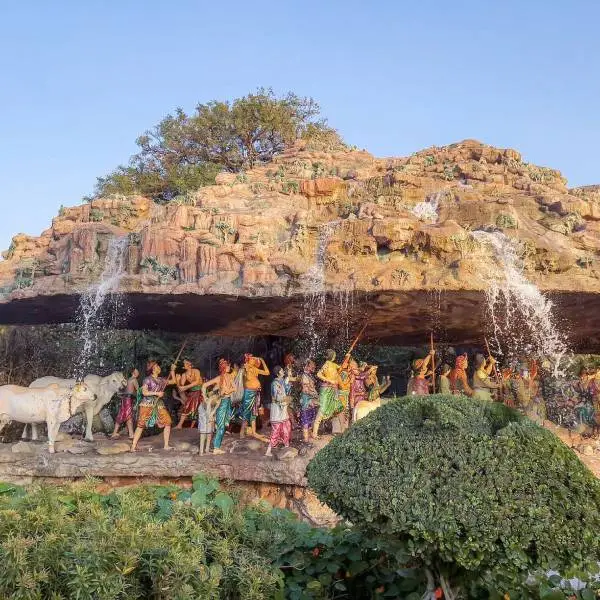
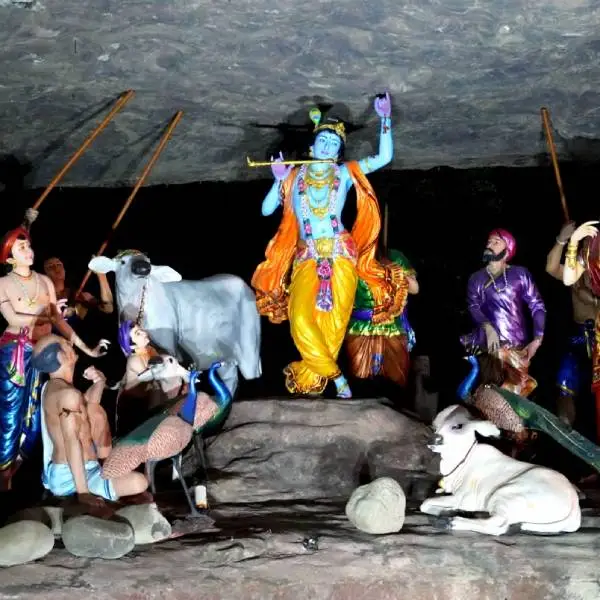
Following Lord Krishna’s advice, the villagers stopped their traditional worship of Lord Indra and started worshipping Govardhan Hill. This made Lord Indra angry, and he sent powerful storms and heavy rainfall to punish the people of Vrindavan. To save the villagers, their families, and cattle, Lord Krishna lifted Govardhan Hill on his little finger and provided shelter to everyone beneath it.
After several days, Lord Indra realized the divine power of Lord Krishna and understood his mistake. He stopped the storm and accepted Krishna’s greatness. This story symbolizes the importance of humility, devotion, and the protection provided by divine blessings.
The celebration of Govardhan Puja begins with cleaning and decorating homes and temples. Devotees create a symbolic representation of Govardhan Hill using cow dung, clay, or other materials. This representation is decorated with flowers, lamps, and colorful designs before performing the puja rituals.
During the festival, people worship Lord Krishna, Govardhan Hill, and cows. Cows hold special importance because they are closely associated with Lord Krishna’s childhood. Many devotees decorate cows with flowers and colorful ornaments and offer them special food as a mark of respect and gratitude.
One of the biggest highlights of Govardhan Puja is the preparation of Annakut Bhog. Devotees prepare a large number of food items and arrange them in the shape of a mountain. These offerings are first presented to Lord Krishna and later distributed among devotees as prasad. This tradition represents abundance, prosperity, and gratitude for the blessings of food.
Temples across India organize special prayers, devotional songs, aarti ceremonies, and cultural programs on Govardhan Puja. In places like Mathura and Vrindavan, where Lord Krishna spent his childhood, the festival is celebrated on a grand scale with thousands of devotees participating in religious activities.
In Gujarat, Govardhan Puja is closely connected with Annakut celebrations, where temples prepare huge food offerings for Lord Krishna. In rural areas, farmers celebrate the festival by worshipping cows and praying for a successful harvest and prosperity. Each region follows different customs, but the core message of devotion and gratitude remains the same.
In modern times, Govardhan Puja continues to be an important festival that connects people with their traditions and cultural roots. Many families celebrate the festival at home by performing simple prayers, preparing special meals, and spending time with loved ones. The festival also encourages awareness about environmental protection and the importance of respecting nature.
Govardhan Puja is more than a religious celebration; it is a festival that teaches valuable lessons about faith, kindness, and harmony with nature. The story of Lord Krishna lifting Govardhan Hill continues to inspire people to remain humble and trust in divine protection.
Through prayers, rituals, Annakut offerings, and community celebrations, Govardhan Puja brings people together and strengthens cultural traditions. The festival continues to hold a special place in Indian society by spreading the message of devotion, gratitude, and respect for nature.
.jpg)