Hartalika Teej
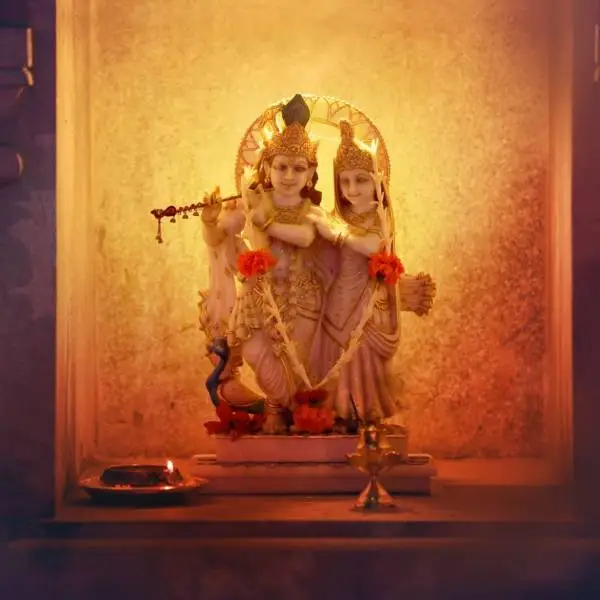
Hartalika Teej is an important Hindu festival celebrated mainly by women in different parts of India. Dedicated to Goddess Parvati and Lord Shiva, the festival represents devotion, love, marital harmony, and spiritual dedication. It is particularly popular in states such as Rajasthan, Uttar Pradesh, Bihar, Madhya Pradesh, Jharkhand, Chhattisgarh, and parts of Maharashtra. The festival is observed with fasting, prayers, traditional clothing, mehendi, devotional songs, and gatherings with family and friends.
Hartalika Teej takes place on the third day, known as Tritiya, of the bright fortnight of the Hindu month of Bhadrapada. Since the Hindu calendar follows lunar cycles, its date changes each year on the Gregorian calendar and generally falls during August or September. The festival arrives during the monsoon season, adding a distinctive atmosphere of greenery, fresh air, colourful decorations, and seasonal celebrations to the religious observances.
The festival is closely connected with the traditional story of Goddess Parvati's devotion to Lord Shiva. According to Hindu belief, Parvati wished to marry Shiva and undertook severe penance to demonstrate the depth of her devotion. However, her father wished for her to marry Lord Vishnu. Concerned that she would be forced into a marriage she did not desire, one of her close friends took her to a secluded forest. There, Parvati continued her prayers and meditation until Lord Shiva accepted her devotion. Their eventual union is regarded as a symbol of spiritual commitment and divine love.
The name Hartalika is traditionally linked to this story. It is associated with Parvati's friend taking her away to protect her from the unwanted marriage. The story forms an important part of the festival's religious significance and is remembered through prayers and the recitation or listening of the Hartalika Teej vrat katha. For devotees, the story represents determination, devotion, friendship, and the strength to remain committed to one's wishes and spiritual beliefs.
Fasting is one of the most prominent traditions associated with Hartalika Teej. Traditionally, many women observe a strict fast known as Nirjala Vrat, in which they refrain from both food and water for the designated period. Married women commonly observe the fast while praying for the health, happiness, prosperity, and long life of their husbands. Unmarried women may also observe the festival and pray for a suitable and loving life partner. However, fasting practices can differ according to family traditions, regional customs, and individual circumstances.
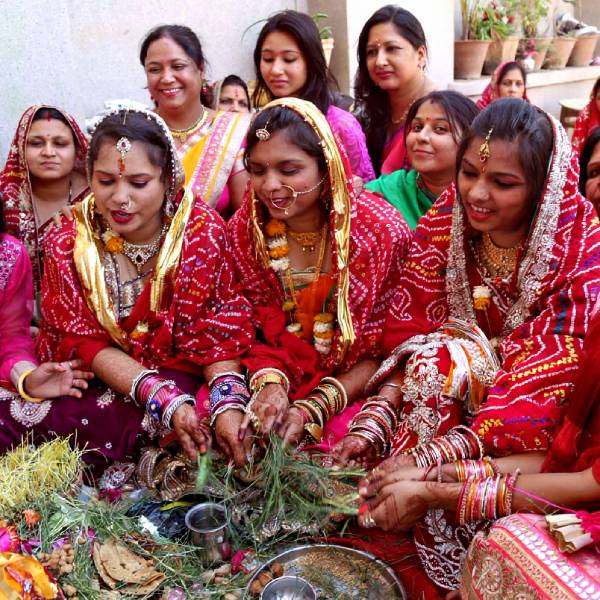
Religious worship is at the centre of Hartalika Teej. Devotees prepare a special place for the puja and decorate it with flowers, leaves, lamps, and other traditional items. Clay images or idols representing Shiva and Parvati may be worshipped during the ceremony. Women offer flowers, fruits, sweets, and other customary offerings while reciting prayers and mantras. The rituals provide a meaningful opportunity to express devotion and seek blessings for family happiness and harmony.
The festival is also renowned for its colourful clothing and traditional appearance. Women often dress in bright sarees, lehengas, or other regional outfits. Green, red, and other vibrant colours are commonly associated with Teej celebrations. Jewellery, bangles, flowers, and traditional ornaments complete the festive look. Married women may also wear traditional symbols associated with marriage, making the occasion visually distinctive and culturally significant.
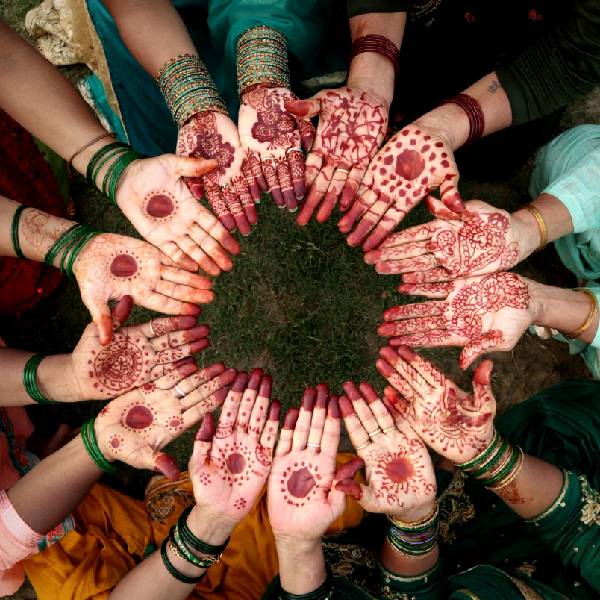
Mehendi, or henna, is another beloved tradition connected with Teej celebrations. Women and girls often gather before the festival to decorate their hands with intricate designs. Floral patterns, leaves, traditional motifs, and decorative shapes are among the popular choices. Applying mehendi is not simply a form of decoration; it also creates a social occasion where women, relatives, and friends can spend time together, share stories, and enjoy the festive atmosphere.
Traditional Teej songs and swings are also important elements of the celebration in many regions. During the monsoon season, decorated swings may be placed in gardens, courtyards, or community areas. Women and girls gather around them, sing folk songs, and enjoy the seasonal festivities. Traditional songs often describe love, marriage, relationships, longing, family life, and the beauty of the rainy season. These cultural activities help preserve regional folk traditions and create a joyful balance between religious observance and social celebration.
Food is another part of the festival, although fasting remains central for many devotees. Families prepare traditional sweets and festive dishes according to their regional customs. Special meals may be enjoyed before the fast begins, while carefully prepared foods are served after the fast is completed. The dishes associated with Teej differ from one region to another, reflecting India's diverse culinary traditions.
Hartalika Teej is celebrated with particularly strong cultural enthusiasm in Rajasthan. The state is known for its colourful folk traditions, decorated temples, music, and festive processions. Jaipur and other cities may host cultural activities connected with Teej, featuring traditional performances, decorated images, local crafts, and festive markets. In Uttar Pradesh, Bihar, Madhya Pradesh, and neighbouring regions, celebrations may focus more strongly on household worship, temple visits, fasting, and gatherings of women.
The festival also provides an important opportunity for women to strengthen social and family relationships. Relatives and friends often come together to celebrate, exchange gifts, apply mehendi, sing traditional songs, and share festive meals. In some communities, special events and group pujas are organized in temples or community centres. These gatherings allow traditional practices to be passed from older generations to younger members of the family.
For travellers, Hartalika Teej provides an opportunity to experience an important aspect of India's living cultural heritage. Visitors may see women dressed in traditional clothing, colourful decorations, decorated temples, mehendi artists, festive markets, devotional ceremonies, and cultural performances. Because many activities are religious in nature, visitors should observe ceremonies respectfully and ask permission before photographing people or participating in private rituals.
Hartalika Teej also has a strong connection with the monsoon season. The arrival of rain traditionally brings renewed greenery and creates a pleasant backdrop for outdoor celebrations. Trees decorated with swings, flowering plants, colourful clothing, music, and community gatherings contribute to the festival's distinctive character. This combination of religious devotion and seasonal celebration makes Teej particularly memorable.
Beyond its rituals, HartalikaTeej
.jpg)