Kumbha Mela
Kumbh Mela is one of India’s most extraordinary religious gatherings, bringing millions of pilgrims, monks, ascetics, spiritual teachers, and visitors together around sacred rivers. The festival is celebrated at four pilgrimage destinations, Prayagraj, Haridwar, Nashik, and Ujjain—with the location changing according to traditional astrological calculations. Each city has a distinct relationship with a sacred river and its own atmosphere, customs, and pilgrimage traditions. For devotees, attending Kumbh Mela is an opportunity for prayer, spiritual reflection, religious learning, and participation in rituals that have been passed through generations. UNESCO added Kumbh Mela to its Representative List of the Intangible Cultural Heritage of Humanity in 2017.
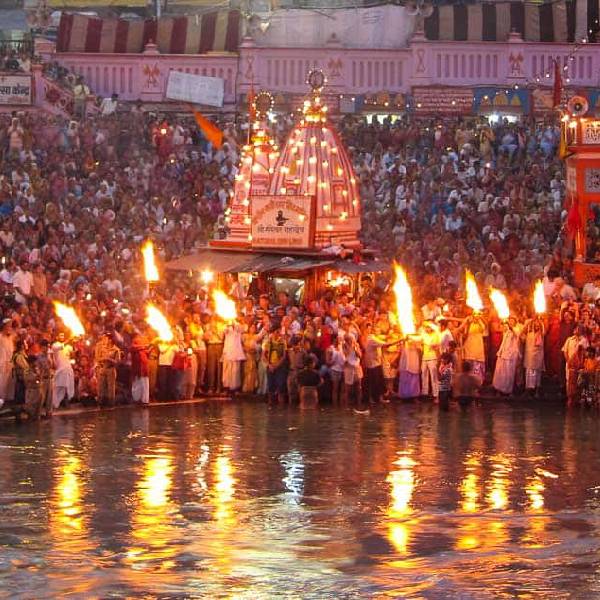
The most significant practice associated with the festival is the ritual bath in sacred water. Pilgrims arrive early in the morning and enter the river while offering prayers, remembering loved ones, and seeking spiritual purification. Within Hindu belief, bathing at an auspicious moment during Kumbh carries deep religious significance and is associated with cleansing past wrongdoing and progressing toward spiritual liberation. The riverbank therefore becomes much more than a gathering place; it functions as a sacred landscape where devotion is expressed through water, prayer, offerings, and personal discipline.
Traditional mythology connects Kumbh Mela with the story of the Samudra Manthan, or churning of the cosmic ocean. The story describes gods and opposing forces seeking amrita, the nectar of immortality. During the struggle surrounding the sacred vessel, tradition holds that drops of the nectar became associated with the four locations where Kumbh Mela is now celebrated. This story gives the festival its name, as “Kumbh” refers to a pot or vessel, and it provides the spiritual foundation for the importance attached to these pilgrimage places.
Each Kumbh destination offers a different setting. Prayagraj is associated with the Triveni Sangam, the meeting of the Ganga and Yamuna with the traditionally revered Saraswati. Haridwar welcomes pilgrims along the Ganga as it reaches the plains from the Himalayan foothills. Nashik is connected with the Godavari River, while Ujjain holds its celebrations beside the Shipra. The festival rotates between these locations, and a major Kumbh generally returns to the same destination after approximately twelve years.
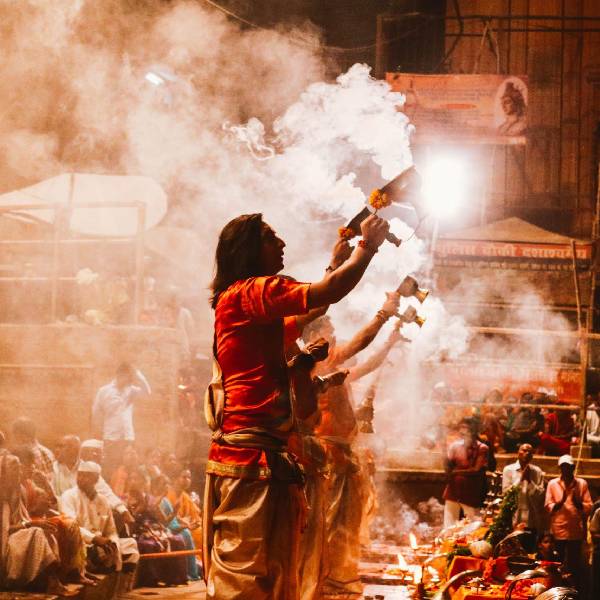
One of the most striking aspects of Kumbh Mela is the presence of sadhus, saints, monastic communities, and akharas. Some ascetics travel great distances specifically for the gathering, making Kumbh an important meeting point for different Hindu religious traditions. Visitors may encounter spiritual discussions, devotional singing, meditation, religious discourses, ceremonial processions, and temporary camps where teachers meet followers. The presence of these communities gives the festival a character that extends far beyond the bathing ritual.
Particularly important bathing days can feature ceremonial processions associated with the akharas. Groups of ascetics move toward the river accompanied by chants, religious symbols, flags, and other ceremonial elements before entering the sacred water. These occasions attract immense crowds and are among the most visually powerful moments of a Kumbh gathering. However, their importance is primarily religious, and visitors should approach them as acts of devotion rather than performances created for tourism.
The scale of Kumbh Mela can transform an ordinary riverside area into an enormous temporary settlement. During the 2025 Maha Kumbh in Prayagraj, authorities developed thousands of hectares with temporary accommodation, kitchens, sanitation facilities, transport systems, medical services, security arrangements, and other infrastructure to support the huge number of visitors. The gathering demonstrated how pilgrimage, urban planning, public services, and religious tradition can temporarily reshape an entire landscape.
Life within the festival grounds includes far more than prayer. Pilgrims gather around community kitchens, listen to spiritual teachings, meet religious leaders, purchase devotional items, and spend time with family members or fellow travelers. Food distribution and charitable activities are also important elements of the gathering. For many participants, staying at Kumbh is itself part of the pilgrimage experience, creating days or weeks centered on simplicity, religious observance, and community.
For travelers, visiting Kumbh Mela can offer a powerful introduction to India’s living spiritual traditions. The atmosphere combines river rituals, temporary camps, devotional music, religious processions, conversations with pilgrims, and an extraordinary variety of people arriving from different parts of the country. Photography opportunities are remarkable, but sensitivity is essential. People bathing, praying, meditating, or participating in personal rituals should never be photographed closely without permission.
Careful planning is especially important because crowds can be extremely large on major bathing dates. Travelers should arrange accommodation and transportation well in advance, follow official crowd-management instructions, keep essential belongings secure, and avoid attempting to move against large flows of pilgrims. Comfortable footwear, modest clothing, drinking water, and patience are valuable throughout the experience.
Kumbh Mela ultimately represents far more than the size of its crowds. Its lasting importance comes from the shared belief, discipline, pilgrimage, spiritual learning, and community traditions that bring people back to sacred rivers generation after generation. From a solitary devotee entering the water before sunrise to vast gatherings of pilgrims moving together toward the ghats, Kumbh Mela in India provides a remarkable window into the country’s religious heritage and the enduring relationship between faith, sacred geography, and community life.
.jpg)