Pushkar Camel Fair
The Pushkar Camel Fair, locally known as Pushkar Mela, is one of Rajasthan’s most distinctive annual celebrations. Held in the desert town of Pushkar near Ajmer, the gathering brings together livestock traders, camel herders, pilgrims, craftspeople, performers, photographers, and travelers in an atmosphere filled with colour and activity. What began primarily as a place for buying and selling animals has developed into a wider cultural occasion where Rajasthan’s rural traditions, religious heritage, folk arts, and desert lifestyle can all be experienced within a single destination. In 2026, the official fair calendar lists the event from 17 to 24 November.
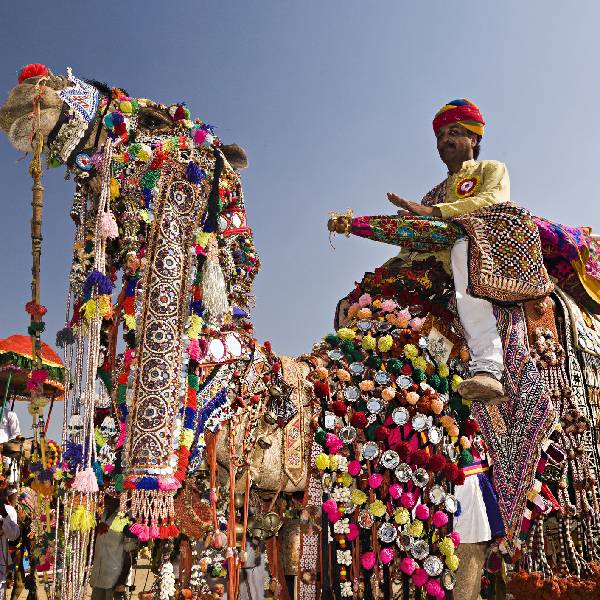
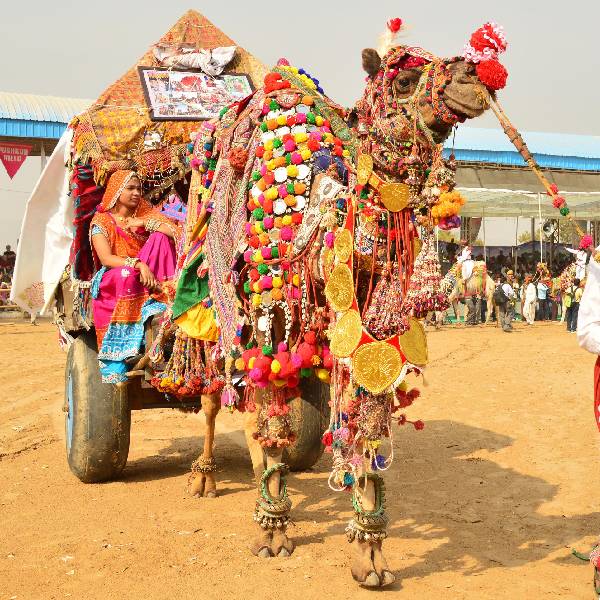
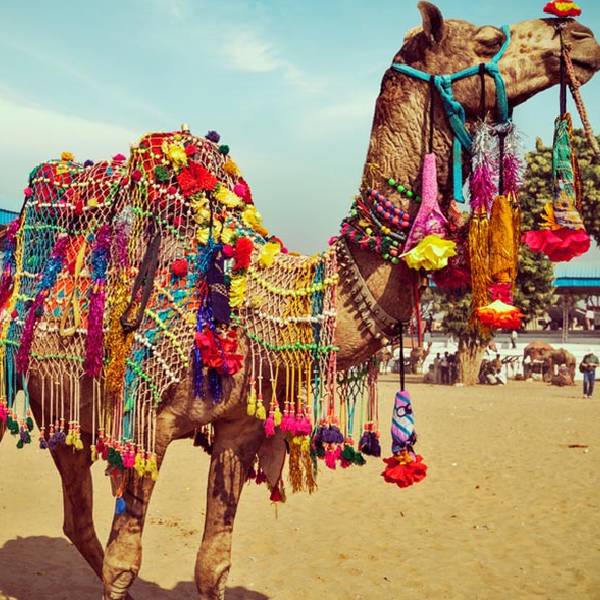
Camels remain one of the strongest visual symbols of the fair. Herders arrive with animals that may be decorated with colourful fabrics, bells, beads, patterned coverings, and traditional ornaments. Horses and other livestock are also part of the trading activity. Buyers examine animals, owners negotiate prices, and groups of herders spend time around temporary camps on the sandy grounds outside town. These scenes preserve the fair’s connection with the pastoral and trading traditions that existed long before Pushkar became an internationally recognised travel attraction.
As the fair develops, the livestock grounds become only one part of the experience. Cultural competitions, local games, performances, and public events add a completely different character. Rajasthan Tourism highlights activities such as moustache competitions and other traditional contests, while previous editions have featured camel-related events, local sports, music, and community entertainment. The exact daily programme can change each year, so travelers interested in a specific competition or performance should confirm the final schedule before visiting.
Traditional music and dance bring Rajasthan’s artistic identity into the celebration. Folk musicians and performers appear in colourful regional clothing, creating energetic moments throughout the fairgrounds. Markets and temporary stalls add another layer, offering textiles, embroidered clothing, decorative pieces, jewellery, leather products, handicrafts, and items associated with Rajasthan’s desert culture. Walking through these areas provides visitors with an opportunity to observe local craftsmanship while experiencing the social energy of the festival.
Pushkar Fair is unusual because its cultural and commercial activities take place beside one of Rajasthan’s important pilgrimage towns. Pushkar Lake holds deep religious significance for Hindu devotees, and numerous ghats surround its waters. The town is also closely associated with Lord Brahma and is home to the well-known Brahma Temple. During the Kartik period, pilgrims travel to Pushkar for worship and ritual activities, giving the festival a spiritual dimension that exists alongside the livestock market and entertainment.
This combination creates two noticeably different atmospheres within a relatively small area. Around the livestock grounds, travelers may encounter camels, traders, tents, competitions, dust, bargaining, and busy market scenes. Near the lake and temples, the mood can become quieter and more devotional, particularly during prayer and ritual activity. Moving between these areas allows visitors to see how commerce, rural heritage, pilgrimage, and public celebration have become intertwined within Pushkar’s identity.
Early morning is one of the most rewarding times to explore. The desert air is cooler, activity gradually begins around livestock camps, and softer light makes the setting particularly attractive for photography. Later in the day, markets and cultural activities become busier, while evening brings a different atmosphere around the town and lake. Rajasthan Tourism also notes evening prayer ceremonies around the ghats as part of Pushkar’s visitor experience.
For photographers, the fair presents an extraordinary range of subjects: camel herders in traditional clothing, decorated animals, musicians, artisans, desert camps, crowded markets, pilgrims, historic temples, and the ghats surrounding Pushkar Lake. Respect remains essential, however. Traders, pilgrims, and local families are participating in their own work, worship, and traditions rather than performing solely for visitors. Close portraits should be taken only with permission, and cameras should never interfere with prayer or private religious moments.
Travelers should also prepare for large crowds, particularly during important cultural and religious days. Accommodation in Pushkar can fill quickly during the fair, making advance reservations advisable. Comfortable footwear is useful because exploring the town and fairgrounds involves considerable walking. Days may be warm under the Rajasthan sun while mornings and evenings can feel cooler, so light layers are practical. Traffic arrangements can also change during the festival period.
Pushkar itself deserves time beyond the main fairground. Visitors can explore the lake, ghats, temples, narrow market streets, cafés, handicraft shops, and surrounding desert landscape. Camel safaris and camping experiences are also associated with the area, while nearby Ajmer makes it possible to combine the fair with a broader Rajasthan itinerary.
At its heart, the Pushkar Camel Fair in India is memorable because several different worlds come together at once. Desert livestock traditions meet pilgrimage, folk culture meets contemporary tourism, and busy trading grounds exist only a short distance from sacred waters and temples. Decorated camels, Rajasthani clothing, music, crafts, religious devotion, and the golden desert setting give the event an unmistakable identity. For travelers interested in living culture rather than monuments alone, Pushkar offers an exceptional opportunity to experience Rajasthan through its people, traditions, faith, and enduring connection with desert life.
.jpg)